Report of the WFN Annual Council of Delegates Meeting

Annual global leadership meeting included reports of advocacy efforts, educational activities, and more.

By Steven L. Lewis, MD
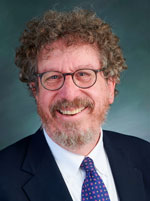
Steven L. Lewis

In this issue’s President’s Column, I’d like to summarize the Annual General Meeting (AGM) of the WFN Council of Delegates (COD), which took place Oct. 27, 2026, via Zoom. The meeting was preceded by a three-week electronic voting window for the positions of secretary general and elected trustee and for the host site for the World Congress of Neurology (WCN) 2029. 

The meeting opened with my brief presidential welcome and introduction of the meeting to the delegates and an overview of the agenda. This was followed by the official roll call. Confirmed attendance of 47 member societies was noted. (This exceeded the required quorum of 15.) There was acceptance of the previous AGM minutes, which occurred Oct. 12, 2025, at the WCN in Seoul. 

President’s Report

I provided the President’s Report, which highlighted many of the activities of the WFN over the past year, including educational programs, capacity building, and advocacy efforts across 126 member societies. This included a summary of some recent collaborations between the WFN and member and regional societies, such as:

  • The German Neurological Society (Deutsche Gesellschaft für Neurologie) Exchange Program for a rotation in Cape Town, South Africa, in neuroinfectious disease
  • Collaboration with the European Academy of Neurology (EAN) for distributing eanCampus to low- and low-middle-income (LMIC) countries
  • Partnership with the Association of British Neurologists (ABN) for the Cairo Training Center

The report also summarized other established collaborations with the American Academy of Neurology (AAN) with Continuum and the Global Advocacy Leadership Program (GALP). 

I suggested in my report that the time could be right to subtly revise the WFN mission statement to reflect the WFN’s focus on member societies. I also proposed a refresh of the WFN logo. I encouraged the trustees to continue to review fundraising options to increase the support of our WFN mission.

First Vice President, Secretary General, and Treasurer Reports

Prof. Riadh Gouider, WFN first vice president, informed the delegates of the significant progress being made in planning by the Congress Committee for the scientific and social activities for WCN 2027 in Cape Town, the WCN 2028 in Copenhagen, and a proposal outline for the regional rotations for the now-annual WCNs.
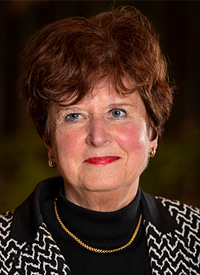
Marianne de Visser

Marianne de Visser

Prof. Marianne de Visser, acting secretary general, outlined the WFN mission and objectives, the cadence of our WFN trustees’ meetings, and the WFN’s commitment to the U.K. Charity Commission’s rules, responsibilities, and guidance as a U.K. charity.

Detailing the WFN’s financial health,  investment strategy, and reserves policy, Prof. Morris Freedman, WFN treasurer, provided a generally optimistic view of the WFN’s current financial situation (despite the lackluster financial outcomes of our two most recent WCNs). This financial status will enable the WFN to continue to support its charitable mission due to careful financial stewardship and investment oversight.

Committee Activities

A subset of the WFN’s committees, particularly those with recent activity updates, provided their reports. Prof. William Carroll, Nominating Committee chair and past WFN president, explained the Nominating Committee’s role of ensuring nominations for WFN positions are conducted at arm’s length from current organization leadership. 

The committee had reviewed six nominees for the two positions of secretary general and elected trustee. It approved all candidates based on criteria including eligibility, reputation, and commitment to the WFN. These candidates formed the slate that the delegates voted on in the weeks prior to the COD meeting.

Prof. Amadou Gallo Diop, Membership Committee chair, reported that the WFN has 126 members. However, he pointed out a significant gap with 32 African countries not yet being members. The Membership Committee successfully processed applications from three new countries (Djibouti, Niger, and Ukraine) and recommended their acceptance as new WFN members. 

Following this recommendation by the Membership Committee, the COD voted in all three societies. I then welcomed and congratulated the neurological societies of Djibouti, Niger, and Ukraine for joining the now 129 members of the federation. (See “Welcome New WFN Member Societies.”)

Prof. Gouider and Dr. Paola Guraieb Chahin, WFN co-opted trustee, presented updates from the Educational Committee on various initiatives. These included training centers in Rabat, Morocco; Cairo, Egypt; Dakar, Senegal; Cape Town, South Africa; and Mexico City, Mexico, as well as department visit programs and exchange opportunities. The COD discussed the GALP in partnership with the AAN and upcoming e-learning activities, including a session on Dec. 12, focused on headache management and brain health. 

Prof. Njideka Okubadeju, WFN co-opted trustee, presented an update on the work of the WFN Core Curriculum Subcommittee, which is co-chaired by Prof. Gagandeep Singh and Dr. Vanessa Carvalho. This report described the project’s goals to develop a global neurology training blueprint that would identify minimal required knowledge, skills, and competencies for neurologists, as well as the institutional and health system structures needed to support this training, particularly in LMIC’s. 

The committee is progressing through a modified Delphi consensus process, with plans to publish the suggested health system structure recommendations in 2027. The committee will then proceed with similar Delphi consensus steps on the structure (for example, rotations, including prerequisite training) and the content of the curriculum.

The World Health Organization (WHO)/United Nations Activities Co-Chair Dr. Ksenia Pochigaeva presented an update on the WFN’s collaboration with the WHO and the U.N. Economic and Social Council (ECOSOC), noting the WFN’s nonstate actor status with the WHO and consultative status with the U.N. ECOSOC. She outlined the WFN’s participation in WHO and U.N. meetings over the past year, including attendance at regional WHO meetings in Africa, the Eastern Mediterranean region, and Europe. At these meetings, the WFN presented interventions advocating for brain health and other global neurological and workforce measures.

World Brain Day

Prof. Tissa Wijeratne, World Brain Day co-chair and WFN elected trustee, presented the results of the World Brain Day 2026 campaign “World Brain Day: Access for All.” He said the campaign reached over 300,000 people with nearly 3,000 interactions and impressions. He emphasized the urgent need to make brain health a household name globally. 

Prof. Chandrashekhar Meshram, WFN elected trustee, shared detailed examples of India’s extensive activities for World Brain Day 2026, including virtual sessions, social media posts, and a walkathon with over 200 participants, demonstrating strong engagement from the Indian Academy of Neurology and the public. 

WFN Journals and Specialty Groups

Dr. John England, editor-in-chief of the Journal of the Neurological Sciences (JNS), the official journal of the WFN, presented journal performance statistics. He reported 4,000 average submissions annually, fast publication speeds, and over 2 million article downloads. 
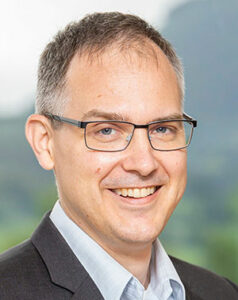
Walter Struhal

Prof. Walter Struhal, editor of eNeurologicalSciences (eNS), provided an update on eNS, the WFN’s open access journal. He reported a 33% acceptance rate and Scopus score of 2.9, focusing on global neurology and practical clinical outcomes.

In my introduction to Dr. England’s presentation, I thanked him on behalf of the WFN and its trustees for his years of service as the JNS editor-in-chief; his highly successful term ends Dec. 31, 2026.

Prof. Mohammad Wasay, WFN elected trustee, reported on the 16 WFN specialty groups, with the neuromuscular group and cognitive disorder group reporting profits from conferences. Several specialty group chairs’ terms are ending in 2026. New appointments will be made in December. A new neurorehabilitation specialty group also has been approved by trustees.

Additional Announcements

The meeting covered several key additional updates and announcements. Prof. Gouider updated the COD on the Brain Health Strategy Committee, highlighting its mission to coordinate actions across neurology-related societies and organizations globally. The committee aims to work synergistically with major societies, including the International League Against Epilepsy, the EAN, the AAN, and the World Stroke Organization, among many others.

The meeting also announced new appointments, including the appointment of Prof. Ichizo Nishino as the next JNS editor-in-chief, beginning Jan. 1, 2027. (See “Prof. Ichizo Nishino Named JNS Editor-in-Chief.”)

Finally, the election results for the open WFN positions were announced: Walter Struhal was elected as trustee, and Marianne de Visser was elected as secretary general. 

Additionally, Rio de Janeiro, Brazil, was selected as the host city (with the Brazilian Academy of Neurology as host society) for the WFN’s 2029 World Congress of Neurology. It was one of four final excellent Latin American host site candidates for this Congress. (See “Rio de Janeiro Selected to Host 30th World Congress of Neurology (WCN) in 2029.”)

Closing Thoughts

In summary, the 2026 AGM of the COD was collaborative and informative, and the WFN trustees thank the delegates for their attendance, interest, and attention through the nearly three-hour meeting. This meeting represented the last virtual COD meeting in the post-COVID era. Given the now annual status of the WCNs, all future COD meetings will be planned as in-person meetings with live candidate statements and voting.

The WFN expresses gratitude to all trustee candidates, secretary general candidates, and WCN host site candidates for their dedication and continued engagement with the federation.

We also sincerely thank our hard-working and dedicated staff at the WFN Secretariat in London (including Laura Druce, CEO, Jade Levy, program manager, and Carlos Hunte, administrative assistant, for their untiring and highly professional efforts in all our activities throughout the year. 

Finally, the trustees and I also want to sincerely commend and thank Prof. Wasay, as he completes his term as elected trustee. Prof. Wasay has been a key, collaborative, highly engaged, and thoughtful trustee whose input will be greatly missed at our monthly trustee meetings, and who we look forward to continuing to work with in his committee chair role and in future important roles as well. •

Welcome New WFN Member Societies

The World Federation of Neurology (WFN) announces the formal admission of three national member societies, expanding our global network dedicated to fostering quality neurology and improving brain health worldwide.

These new members strengthen WFN’s international coalition (now 129 members) and broaden our collaborative reach across Europe and Africa. The newly welcomed societies represent:

Ukraine (Ukrainian Neurological Association): Representing neurologists across a nation facing immense health care delivery challenges, the association plays a vital role in sustaining neurological education, clinical standards, and patient care continuity throughout the region.

Niger (Société Nigérienne de Neurologie): Based in West Africa, Niger faces significant hurdles in neurological care infrastructure. Published public health data indicates that only about 10 neurologists are actively practicing in Niger, serving a population of more than 21 million. This highlights the critical importance of regional professional networks like the Société Nigérienne de Neurologie in driving advocacy and resource development.

Djibouti (Djiboutian Society of Neurosciences): Serving the Horn of Africa, the Djiboutian Society of Neurosciences unites local specialists addressing vital clinical demands, such as managing high-burden neurological emergencies like stroke and expanding neurological education within the country’s health system.

The WFN warmly welcomes the three societies to our global community as we continue our shared mission to foster quality neurology and brain health worldwide. •

Rio de Janeiro Selected to Host the 30th World Congress of Neurology (WCN) in 2029

The World Federation of Neurology (WFN) has named Rio de Janeiro as the host city for the 30th World Congress of Neurology (WCN) in 2029. The event will be hosted by the Brazilian Academy of Neurology.
The decision followed an evaluation by the WFN Permanent Congress Committee, which reviewed multiple regional bids from across the Americas. The Brazilian Academy of Neurology won the host position after securing the majority vote from the WFN Council of Delegates. It was selected out of four final host venue candidates, each of whom provided compelling bids and presentations for their world-class cities.

The WFN congratulates the host society and looks forward to working with it on building an exciting program for WCN 2029. This congress will follow programs for WCN 2027 in Cape Town, South Africa, and WCN 2028 in Copenhagen, Denmark.

The WFN expresses gratitude to all member society candidates from Latin America for their dedication and continued engagement with the organization and looks forward to the next WCN bidding cycle in the region. •

Prof. Ichizo Nishino Named Next JNS Editor-in-Chief 

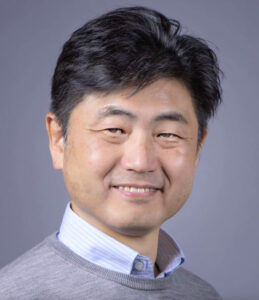
Prof. Ichizo Nishino

The World Federation of Neurology (WFN) has appointed Prof. Ichizo Nishino as the next editor-in-chief of the Journal of the Neurological Sciences (JNS). 

Prof. Nishino brings decades of internationally recognized expertise in neuromuscular research, molecular diagnostics, and therapeutic developments for muscle diseases. He currently serves as director of the Department of Neuromuscular Research at the National Institute of Neuroscience, National Center of Neurology and Psychiatry in Tokyo.

In addition to his clinical and research accomplishments, Prof. Nishino holds key leadership roles across the global neurological community. He serves as president of the Asian Oceanian Myology Center, treasurer of the World Muscle Society, and is an active member of the WFN Education Committee. His longstanding involvement with JNS includes serving on its editorial board since 2013.

“I am honored to take on this role and look forward to working with my colleagues at the WFN,” Prof. Nishino said.

Prof. Nishino will begin his term Jan. 1, 2027. He will succeed Prof. John D. England, who has served as editor-in-chief for 13 years (2013-2026). The WFN expresses its deepest gratitude to Dr. England for his extraordinary leadership, dedication, and significant contributions to advancing the scope, quality, and international impact factor of the journal during his longstanding tenure.

Under Prof. Nishino’s guidance, the JNS will build upon this strong foundation, continuing its commitment to publishing high-impact clinical and basic research across all areas of neurology, including brain health.

The JNS is the official journal of the WFN. It publishes original clinical research and other clinically relevant articles applying to neurological disorders, serving an international audience of clinicians, researchers, and academic neurologists. •

Brainwaves on Australia’s Sunshine Coast

The WFN Specialty Group on Aphasia, Dementia, and Cognitive Disorders spotlights behavioral neurology, psychiatric disorders, and brain health equity. 

By Dr. Aida Suárez-González, Prof. Morris Freedman, Prof. Manabu Ikeda, Dr. Jordi Matías-Guiu, Dr. Lara Migliaccio, and Prof. Peter Nestor

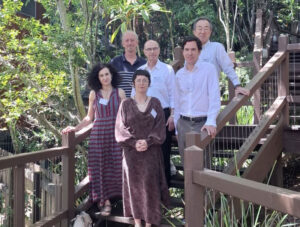
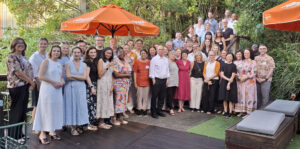
Attendees of the WFN ADCD Specialty Group biennial meeting at Peppers Noosa Resort and Villas at Noosa Heads, Australia.

Noosa Heads, Australia, is known for its long, rolling waves, distinctive surfing culture, and pristine coastal landscape. It provided a spectacular setting for the 2026 biennial meeting of the World Federation of Neurology (WFN) Specialty Group on Aphasia, Dementia, and Cognitive Disorders (ADCD). This was the first time the meeting had traveled to Australia, following an initiative championed and organized by Prof. Peter Nestor with the support of the Australasian Cognitive Neurology Association. Against the backdrop of the Pacific coastline, more than 100 delegates from five continents gathered at Peppers Noosa Resort & Villas for four days of science and community.

The conference opened with a plenary lecture by Prof. Morris Freedman, marking the 60th anniversary of the Specialty Group. The occasion also provided an opportunity to celebrate his recent appointment to the Order of Ontario, the province’s highest civilian honor, in recognition of his outstanding contributions to behavioral neurology and cognitive disorders.

The program covered the full landscape of behavioral neurology, from prevention and diagnosis to pathology and care. Chi Udeh-Momoh’s Precision Prevention Symposium looked ahead through Africa-FINGERS, culturally adapted programs, and the emerging concept of compression of disability. 

The executive committee of the WFN Specialty Group on Aphasia, Dementia, and Cognitive Disorders. From front to back, left to right: Dr. Aida Suárez-González (ADCD chair), Dr. Lara Migliaccio, Prof. Peter Nestor (host), Prof. Morris Freedman, Dr. Jordi Matias-Guiú, and Prof. Manabu Ikeda.

At the more difficult diagnostic borders, Prof. Nestor addressed behavioral variant frontotemporal degeneration, phenocopies, and primary psychiatric disorders, while Prof. Glenda Halliday and Sydney’s world-leading neuropathology group led delegates beyond Alzheimer’s disease into primary age-related tauopathy, limbic-predominant age-related TDP-43 encephalopathy, chronic traumatic encephalopathy and age-related tau astrogliopathy, and cerebrovascular disease.

Language, behavior, and everyday life formed another strong thread. Symposia chaired by Profs. Olivier Piguet and Muireann Irish explored primary progressive aphasia and neuropsychiatric disturbances in younger-onset dementia. Dr. Naomi Folder and Dr. Cathleen Taylor-Rubin brought communication partner training and speech pathology interventions into the clinical conversation. 

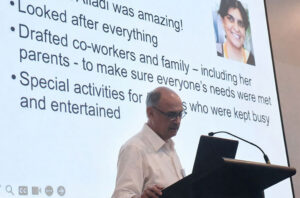
Prof. Morris Freedman delivered the plenary session at the 60th anniversary meeting of the WFN’s Aphasia, Dementia, and Cognitive Disorders Specialty Group, tracing the group’s history from its beginnings 60 years ago. Prof. Freedman commemorated the legacy of Prof. Suvarna Alladi, former chair.

The program widened to include brain health equity in aboriginal populations, rare dementia support, and long COVID through symposia chaired by Prof. Adrienne Withall, Prof. Sebastian Crutch, and Dr. Jordi Matias-Guiu. Free-paper sessions kept the horizons broad, adding neuroimaging, linguistics, new assessment tools, and caregiver support.

Noosa itself became part of the meeting, with a free morning to spend together on the beach and walks through Noosa National Park. These were moments that allowed conversations and new connections to grow beyond the conference rooms, reflecting the care and hospitality that Prof. Nestor brought to the meeting.

In autumn 2026, representation from the Specialty Group will travel to Bengaluru, India, to support the second meeting of the Cognitive Neurology Association of India. In 2028, ADCD will cross oceans once again, this time May 11-14 in Cádiz, Spain. Save the date! We look forward to welcoming you all to Spain for the next chapter of the ADCD story. •


Dr. Aida Suárez-González is an Alzheimer’s Society Dementia Research leader fellow, consultant clinical neuropsychologist at UCL Queen Square Institute of Neurology at University College London, U.K., and chair of the WFN ADCD Specialty Group. Prof. Morris Freedman is WFN treasurer, professor in the department of medicine (neurology) at the University of Toronto, head of the division of neurology, medical director of the Pamela and Paul Austin Centre for Neurology and Behavioral Support, and a scientist at the Rotman Research Institute at Baycrest Health Sciences in Toronto, Canada. Prof. Manabu Ikeda is professor of psychiatry and chair of the department of psychiatry at Osaka University in Osaka, Japan. Dr. Jordi Matías-Guiu is a clinical neurologist and researcher in the department of neurology at Hospital Clínico San Carlos in Madrid, Spain, and faculty member of the Center for Cognitive Neuroscience and Aging at the University of Miami, Florida. Dr. Lara Migliaccio is a neurologist and INSERM researcher at the Paris Brain Institute (ICM) and principal investigator at the FrontLab team, Pitié-Salpêtrière Hospital in Paris, France. Prof. Peter Nestor is conjoint professor of cognitive neurology at the Queensland Brain Institute at the University of Queensland and Mater Hospital in Brisbane, Australia, and local organizing chair of the 2026 WFN ADCD biennial meeting.

WFN Junior Traveling Fellowship Report From the American Academy of Neurology Annual Meeting.

Research presentations, scientific sessions, educational programs, and poster discussions highlight the trainee’s experience at the event.

By Dr. Sidharth Suresh

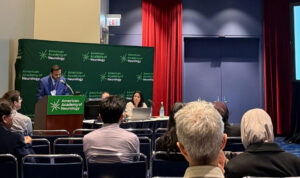
Dr. Sidharth Suresh presents research into how agreement between video EEG and MRI findings influences seizure outcomes after surgery in children and adults with focal drug-resistant epilepsy at the 2026 American Academy of Neurology Annual Meeting.

With the support of the World Federation of Neurology’s (WFN) 2026 Traveling Fellowship Award, I presented my research at the 2026 American Academy of Neurology (AAN) Annual Meeting in Chicago.

My study, conducted at the All-India Institute of Medical Sciences (AIIMS) in New Delhi, evaluated how agreement between video EEG and MRI findings influences seizure outcomes after surgery in children and adults with focal drug-resistant epilepsy. Drawing on one of the largest surgical epilepsy cohorts from South Asia, it showed that EEG-MRI concordance strongly predicts postsurgical seizure freedom. 

Importantly, patients with discordant findings still achieved good overall seizure control, suggesting that carefully selected discordant cases should not be excluded from surgical consideration, a finding of relevance to resource-limited settings.

The fellowship made it possible for me to bring epilepsy surgery data from an Indian tertiary center to one of the world’s largest neurology meetings. Presenting at AAN 2026 brought a large South Asian surgical cohort before an international audience, where such data are still underrepresented.

I discussed the findings with epileptologists, neurophysiologists, and epilepsy surgeons. Their questions on patient selection, invasive monitoring in discordant cases, and outcome definitions helped shape the next stage of the analysis and the manuscript.

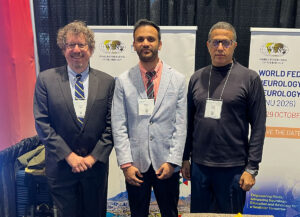
From left to right: Prof. Steven Lewis, WFN president, Dr. Sidharth Suresh, and Prof. Riadh Gouider, WFN first vice president.

Scientific sessions, education programs, and poster discussions exposed me to current advances in presurgical evaluation, neuroimaging, and neuroimmunology. I exchanged ideas with researchers from many countries, including peers working in resource-limited settings.

Meeting the WFN team at the conference let me learn more about WFN’s educational and outreach initiatives and how early career neurologists from low- and middle-income countries can contribute. Connections made at the meeting opened possibilities for multicenter collaboration and for validating these findings in other cohorts.

I sincerely thank the WFN for the Traveling Fellowship Award. I am also grateful to my mentors and colleagues at AIIMS in New Delhi, where this work was carried out, and to the patients and families who took part. I look forward to continuing my association with the WFN and contributing to this amazing field of neurology and neuroscience. •


Dr. Sidharth Suresh, MBBS, MD (internal medicine), DM (neurology), is a postdoctoral fellow in autoimmune neurology in the Department of Neurosciences at the Mayo Clinic in Jacksonville, Florida. His research was performed at AIIMS in New Delhi during his DM neurology residency.

Improving Headache Treatment in Africa With Online Education

Upcoming webinar with the WFN and GPACH to offer the latest in therapeutic and diagnostic tools in headache management.

By Dr. Olivia Begasse de Dhaem, Dr. Imen Kacem, and Dr. Amira Souissi 

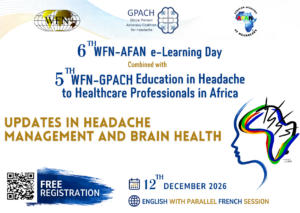
The World Federation of Neurology (WFN), the African Academy of Neurology (AFAN), and Global Patient Advocacy Coalition for Headache (GPACH) are collaborating for the fifth Education in Headache to Healthcare Professionals in Africa (EHHPA) webinar. The webinar will take place Dec. 12, 2026. 
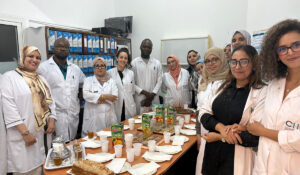
EHHPA has become an important educational initiative dedicated to improving headache care across Africa.

Registration has grown from 551 in 2021 to 1,276 in 2024. The number of participants has also grown from 310 in 2022 to 598 in 2024. These numbers reflect the growing interest in headache education among health care professionals.

The program has also demonstrated a positive educational impact. Participants in the 2024 webinar included:

  • neurologists (27%)
  • general practitioners (19%)
  • neurology trainees (16%) 

Following the event, three-fourths of the participants reported increased confidence in diagnosing migraine, while more than half (53%) reported greater confidence in managing headache disorders.

Under the theme of “Updates in Headache Management and Brain Health,” the webinar will bring together experts to share scientific advances and practical approaches to headache care, with particular attention paid to resource-limited settings.

The scientific program will explore four major themes reflecting current challenges and emerging perspectives in headache medicine. They are:

  • Headache Management in 2026: Clinical Challenges and Global Burden
  • Managing the Patient Beyond the Headache
  • Navigating Therapeutic and Diagnostic Challenges in Headache
  • New Developments, New Tools, New Challenges.

Don’t miss this opportunity to learn, connect, and contribute to better headache care across Africa.

Register for free. •


Dr. Olivia Begasse de Dhaem is vice chair of the Global Patient Advocacy Coalition for Headache. Dr. Imen Kacem is secretary general of the African Academy of Neurology. Dr. Amira Souissi is assistant professor of neurology at Razi Hospital in Tunisia.

Clinical Activities, Training, and Education in Neurophysiology

Reporting on a year of career highlights at the WFN Training Center at the Hôpital des Spécialités in Rabat, Morocco.

By Dr. Sangare Cheickna 

Dr. Sangare Cheickna (center) and members of the staff at Hôpital des Spécialités in Rabat, Morocco.

It is an honor to submit this report marking the completion of my year-long fellowship training in clinical neurophysiology at the Hôpital des Spécialités in Rabat, Morocco, affiliated with the Ibn Sina University Hospital. This intensive training program was made possible thanks to the institutional support and funding provided by the World Federation of Neurology (WFN), as part of its overarching mission to develop medical expertise in neurology.

Throughout this year, the Rabat Training Center — recognized by the WFN for its excellence — has provided me with an exceptional learning environment. Under the supportive supervision of Dr. Nazha Birouk, head of the Clinical Neurophysiology Department, and the department’s assistant professors, I was able to acquire a solid foundation in the day-to-day practice and interpretation of key examinations, including electroencephalography (EEG) and electroneuromyography (ENMG).

I arrived in Morocco on Aug. 28, 2025. I received a warm welcome from a community of friends and fellow countrymen who were already studying in Rabat. This supportive environment made my initial logistical arrangements and settling in much easier, allowing me to embark on this fellowship with a calm and focused mindset.

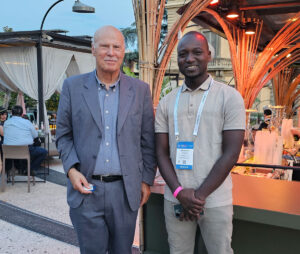
Prof. Wolfgang Grisold (left), WFN past-president, and Dr. Sangare Cheickna.

On Sept. 2, 2025, I officially began my role in the Clinical Neurophysiology Department at the Hôpital des Spécialités. From my first day, I was impressed by the department’s administrative rigor and organizational structure. The welcome I received from the department head, professors, and the entire technical team was particularly warm. Joining a department that was already so well organized, with clear protocols and a perfectly managed patient flow, was a key factor. This enabled me to find my feet immediately and to slot straight into the clinical routine and functional assessments without any transition period.

Clinical Activities and Training Program

The technical facilities at the Hôpital des Spécialités enabled me to gain training in the full range of functional investigations of the nervous system. My duties were divided between carrying out the examinations, interpreting the tracings, and providing clinical follow-up. The key examinations during my training included:

  • EEG and ENMG: As these were the most frequently requested examinations within the department, I was assigned to them two to three times a week, ensuring I gained extensive exposure to both common and complex neurological conditions.
  • Video-EEG: As part of the department’s routine, this technique enabled me to conduct a more in-depth syndromic analysis and to correlate the filmed clinical manifestations with electrical abnormalities.
  • Polysomnography: Carried out once a week, this familiarized me with sleep medicine and the analysis of states of wakefulness.
  • Evoked Potentials (EP): Carried out every two weeks, these tests complemented my training in the assessment of sensory pathways (visual, auditory, or somatosensory) and motor pathways (for motor evoked potentials).

This technical immersion was firmly underpinned by direct clinical work. Every Tuesday, the department organized specialist consultations led by Dr. Birouk. Due to the large number of trainee doctors, a fair rotation system was put in place, and I took an active part in these consultations when it was my turn. This valuable opportunity for discussion was essential for correlating the results of paraclinical tests with the patient’s clinical presentation and refining the diagnostic approach under the guidance of experts.

The Rhythm of Clinical and Educational Staff Meetings

The department’s daily activities were structured around highly specialized, multidisciplinary consultation meetings, ensuring a constant dialogue between clinical practice and technical expertise. These meetings included:

  • Daily EEG staff meetings: At 8 a.m. every day (except Wednesdays), the team would meet for the EEG staff meeting. This daily session was dedicated to collective review, critical analysis of the previous day’s tracings, and the approval of reports.
  • Video-EEG staff meeting: Every Wednesday at 8:30 a.m., a dedicated staff meeting was held to discuss video-EEG. During these sessions, we analyzed the electro-clinical correlations in the patients’ recordings, a fundamental exercise for refining the diagnosis of complex epileptic syndromes.
  • ENMG and EP staff meeting: Every Thursday from 2 p.m., a staff meeting covering ENMG and EPs was held. This intensive session, devoted entirely to complex cases and neuromuscular disorders, was an inexhaustible source of learning. It was also during this staff meeting that we gained a deeper understanding of the interpretation of EPs. The focus was on analyzing the visual pathways — the most frequently requested in the department — to make a precise topographical diagnosis distinguishing between retinal, pre-chiasmatic, or retro-chiasmatic lesions. We also studied the clinical value and indications of other modalities, notably motor-evoked potentials (MEPs).
  • Polysomnography team: Due to the frequency of this test, it was decided that a dedicated polysomnography team would meet once a month. These sessions were devoted to learning how to interpret sleep waveforms (stages of wakefulness, micro-awakenings) and to an in-depth study of the management of various sleep disorders.

Theoretical Teaching and Academic Activities

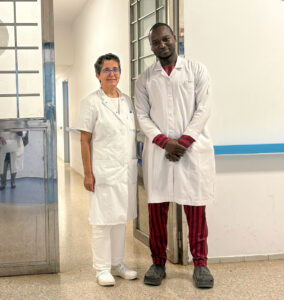
Dr. Nazha Birouk (left) head of the Clinical Neurophysiology Department at the Hôpital des Spécialités in Rabat, Morocco, and Dr. Sangare Cheickna.

Along with my clinical practice, my training was enriched by a rigorous and interactive theoretical program delivered by Dr. Birouk, focusing primarily on neuromuscular disorders and epileptology.

These teaching sessions followed a precise timetable drawn up according to the professor’s availability and were based on a particularly stimulating participatory teaching method. The day before each session, every clinician was instructed to carry out in-depth reading on the chosen topic. On the day itself, the session took the form of a dynamic discussion forum, structured around question-and-answer sessions and case discussions, enabling us to compare our reading with the professor’s clinical expertise.

Finally, the academic aspect of the fellowship was complemented by cross-departmental integration. Every other Friday, I took an active part in the neurology grand rounds, which were held in the neurology department’s lecture theatre. This fortnightly institutional meeting provided an opportunity for high-level multidisciplinary discussions, bringing together professors, senior consultants, and residents to discuss complex clinical cases and updates on the scientific literature.

Scientific Activities, Conferences, and Poster Presentations

Along with my clinical duties at Ibn Sina University Hospital, I have actively enriched my professional development through regular participation in leading national and international scientific events. This involvement has enabled me to keep my knowledge up to date and to present my own clinical research.

Scientific presentations (posters) presented:

  • Congress of the Moroccan Society of Neurology (fall conference, Nov. 6-8, 2025): Poster presentation title: “Rasmussen’s Encephalitis: A Case Report.”
  • 30th Congress of the Moroccan Society of Neurology (spring conference, April 30-May 2, 2026): Poster presentation title: “Grisel’s Syndrome: A Case Report and Review of the Literature.”

Specialized training courses and practical workshops:

  • Practical ENMG Workshop (Moroccan EMG Club, Nov. 22, 2025): In-depth study of stimulation and detection techniques and refinement of manual skills for electroneuromyographic examination.
  • Moroccan EMG Club Conference (June 20, 2026): A session to update protocols for the investigation of peripheral neuromuscular disorders.
  • 10th Annual Continuum of the Moroccan Foundation for Neurology: Intensive continuing medical education sessions focused on neurological practice.

National and interdisciplinary conferences:

  • 20th Congress of the Moroccan Association for Abnormal Movements: Updates on the clinical management and neurophysiological assessment of Parkinson’s and dyskinetic syndromes.
  • 12th Congress of the Moroccan Society of Neuropediatrics: Focus on the specific features of pediatric EEG and pediatric epileptic syndromes.
  • 15th Congress of the Moroccan Society of Neuropsychology (Feb. 6-7, 2026): Exploration of the interfaces between higher cognitive functions and neural networks.                                             

International conferences and training courses (face-to-face and e-learning):

  • 27th World Congress of Neurology 2026 (Oct. 12-15, 2025, Seoul, South Korea): Online participation in the flagship congress of the WFN, offering a global overview of diagnostic advances worldwide.
  • Fifth WFN-AFAN e-Learning Day (Online, Dec. 13, 2025): Online participation in this day of high-caliber training organized jointly by the WFN and the African Academy of Neurology (AFAN), focusing on inflammatory diseases of the central nervous system.
  • 19th International Congress on Neuromuscular Diseases (July 7-11, 2026, Florence, Italy): A high-level immersion at the heart of international research into motor neuron diseases, neuromuscular junction disorders, and myopathies, which we attended in person.

Research, Publications, and Academic Prospects

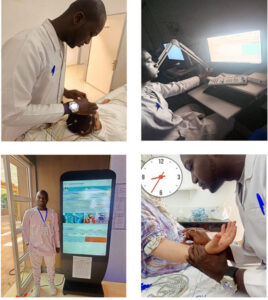
Dr. Sangare Cheickna participated in patient treatment, education, and scientific presentations during his year at the WFN Training Center at Hôpital des Spécialités in Rabat, Morocco.

In addition to my clinical work and participation in conferences, I have initiated and collaborated on several clinical research projects within the department, aimed at making the most of the Hôpital des Spécialités’ extensive database. These projects included:

Major thematic study: Chronic Demyelinating Inflammatory Polyradiculoneuritis  (CDID). I carried out an in-depth research project, titled “Clinical and Electrophysiological Study of Chronic Demyelinating Inflammatory Polyradiculoneuritis (CDID) in the Clinical Neurophysiology Department in Rabat.” This project required the rigorous collection and exhaustive analysis of clinical data and electroneuromyography (ENMG) parameters drawn from the department’s historical database. This work enables a better characterization of the phenotypic profile and the kinetics of nerve conduction in these immune-mediated neuropathies within the local population.

Scientific publication (article submitted): I was the first author of a medical article titled “Sunflower Syndrome: A Case Report From the Clinical Neurophysiology Department.” This article, which highlights a rare form of photo-induced reflex epilepsy associated with stereotyped behaviors, has been officially submitted for publication to the Guinean Journal of Neurology, Neurosurgery, and Psychiatry (JNNP) and is currently undergoing peer review.

Master’s thesis project (sleep medicine): My research into arousal disorders has led to the identification of a case of narcolepsy. The critical analysis and interpretation of this patient’s specific electrophysiological pattern (characteristics of the polysomnography and repeated sleep latency tests) will form the central theme of my final dissertation for the master’s degree in sleep medicine.

Final Thoughts

In conclusion, this year’s clinical placement within the Clinical Neurophysiology Department at the Hôpital des Spécialités has been a decisive and highly formative stage in my medical and scientific career. 

Access to a comprehensive range of technical facilities, combined with a rigorous academic program, has enabled me to develop a high degree of independence in the interpretation of EEGs, ENMG, EPs, and polysomnography. Beyond technical skills, the research carried out on a number of clinical syndromes has anchored my practice in a scientific approach of excellence.

I would like to express my deep and sincere gratitude to the WFN. By awarding me this scholarship of excellence, the WFN has provided me with an invaluable opportunity for international training. This institutional support demonstrates the federation’s vital commitment to the development of the neurosciences and the strengthening of medical expertise on a global scale.

My deepest thanks go to the entire team in the Clinical Neurophysiology Department at the Hôpital des Spécialités, and in particular to Dr. Birouk. I commend her great academic rigor, her generosity as a teacher, and the high quality of her theoretical and clinical teaching. Her interactive lectures, her sound advice during staff meetings, and her supportive supervision have been a constant source of inspiration.

Building on this high-level expertise, my aim is now to put all these clinical, technical, and scientific skills to good use within the health care system of my home country, with a view to optimizing the management of neurological and neuromuscular conditions there. •


Dr. Sangare Cheickna is a young neurologist from Bamako, Mali. He performed his neurology residency in Mali and performed his clinical neurophysiology fellowship as an awardee of an ICNMD/WFN grant to train at the WFN-accredited Training Center in Rabat, Morocco. 

Building Neurology Capacity From the Ground Up

An advocacy journey in sub-Saharan Africa bridges the gap between growing needs and limited resources: a report from a 2025 Global Advocacy Leadership Program (GALP) participant.

By Daniel Gams Massi

Dr. Daniel Gams Massi advocates for expanding modern stroke care and extending EEG services into underserved regions in sub-Saharan Africa.

Neurology in sub-Saharan Africa faces a paradox: a rising burden of stroke, epilepsy, and central nervous system infections against a critical shortage of trained specialists, subspecialty tools, and structured teaching. My advocacy has focused on turning that gap into concrete clinical capacity by bringing modern stroke care to my hospital, extending EEG access to underserved regions, leading genetics research that includes Africa in global data, and training the next generation of physicians.

The clearest marker of progress has been establishing successful intravenous thrombolysis for acute ischemic stroke at Douala General Hospital in Douala, Cameroon. This therapy, largely available in high income countries, was historically inaccessible in much of the region due to cost, diagnostic delays, and lack of trained teams. Making it work reliably meant building not just clinical skill but a whole pathway with rapid access to imaging, informed teams, and protocols adapted to our constraints. 

This has been made possible by the support of the Académie de Recherche et d’Enseignement Supérieur (ARES) of Belgium through the University of Mons and the support of the World Federation of Neurology (WFN) to establish a pilot project for a National Stroke Registry in Cameroon.

A second success has been extending diagnostic reach beyond Douala through a tele-EEG project with the Regional Hospital Center of Bertoua, in the Eastern region of Cameroon, allowing patients far from any EEG-capable center to be evaluated without traveling hundreds of miles. This is advocacy in its most practical form: proving that specialist-level diagnostics don’t have to stop at the boundary of a teaching hospital.

On the research front, I serve as a principal investigator on GP2-TraPCAf, a multicenter Parkinson’s genetics study funded by Aligning Science Across Parkinson’s (ASAP) and the Michael J. Fox Foundation, with sites including Douala, Yaoundé, Bafoussam, and Bertoua. Leading enrollment, consent, and protocol implementation in Cameroon ensures African genomic data, long absent from Parkinson’s research, is represented in the datasets shaping future global understanding and treatment of the disease.

I also continue my journey with the African Academy of Neurology (AFAN) where I serve on the board of directors as a treasurer. And I have established some collaboration with international partners such as co-founding the Belgo-African Brain Reach Foundation with Dr. Lionel Paternoster (Université de Mons, Belgium). The foundation aims to support development of stroke units and other neurological initiatives across the continent. In addition, I co-direct the EPIPED African Project, which held its first International Pediatric EEG training course in 2025 in Douala and now funds a 12-month subspecialty fellowship in Bologna with Dr. Angelo Russo from Italy.

The challenges are common to most African settings: limited funding, fragile equipment logistics for programs like tele-EEG, and the constant tension between clinical service and protected time for training or research. I have used each success as a stepping stone to advance other projects.

My take-home message for young advocates: Do not wait for perfect infrastructure to start. Build the first working example in your hospital, university, or community; remain constant in effort and resilient in a resource-constrained setting; and let the evidence do the advocacy for you.


Daniel Gams Massi is a neurologist from Cameroon. He serves as treasurer of the African Academy of Neurology and was a 2025 Global Advocacy Leadership Program (GALP) fellow. (GALP is a joint advocacy leadership program of the American Academy of Neurology and the WFN).

NeuroHarmony 2.0 Conference Marks World Brain Day

Organizers hope to redefine neurohealth care through multidisciplinary collaboration, education, and social advocacy.

By Dr. Poornima Gauri and Tanvi Karhadkar

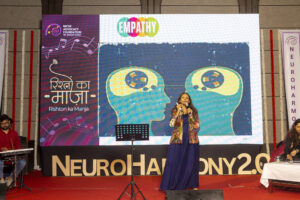
“Rishton ka Manja,” an infotainment program emphasizing life skills for brain and mind wellness, took place on the second day of the NeuroHarmony 2.0 conference.

On the occasion of World Brain Day 2026, NICHE Advocacy Foundation and Deccan Education Society’s Brijlal Jindal College of Physiotherapy in Maharashtra, India, jointly organized NeuroHarmony 2.0, a four-day national multidisciplinary conference on neurohealth care, which took place July 23-26, 2026, at NM Wadia Amphitheatre and DES Brijlal Jindal College of Physiotherapy, Fergusson College Campus, in Pune, India. 

The conference was organized with the vision of redefining neurohealth care by promoting collaborative, patient-centered, evidence-based neurohealth care across the continuum of care from prevention to palliation.

The conference was accredited by the Maharashtra State Allied and Healthcare Council and Maharashtra University of Health Sciences and supported by Indian Federation for NeuroRehabilitation (IFNR), Neurological Society of Pune (NSP), All India Occupational Therapists’ Association (AIOTA), Indian Speech and Hearing Association — Maharashtra Branch (MISHA), Eureka Research Society, and Foundation of Practicing Physiotherapists (FPP). 

The conference was conceived as an interdisciplinary platform bringing together professionals from neurology, neurosurgery, neurorehabilitation, neuropalliative care, physiotherapy, occupational therapy, speech and language pathology, clinical psychology, psychiatry, social work, nursing, public health, assistive technology, and other allied health care disciplines. 

NeuroHarmony 2.0 continues to strengthen collaboration between health care professionals, researchers, educators, students, innovators, caregivers, and patient communities, fostering a truly integrated model of neurohealth care. The mission of the conference was to bridge the gaps between neurohealth care services; upgrade knowledge, attitude, and skills of allied neurohealth care students and professionals; and create awareness and amplify advocacy about neurohealth care.

The schedule of the conference entailed: 

  • Scientific sessions that included lectures and presentations from respective experts, emphasizing our mission to upgrade knowledge. 
  • Preconference workshops for participants to gain hands-on training and e-poster and model presentations for the research forum, highlighting our mission to upgrade skills.
  • A Brain and Mind Expo that showcased the advancements in the health care technologies as well as community initiatives of various wellness organizations and NGOs. 
  • A community engagement section that involved public forum and inspiring patient stories, both of which strengthen our mission to upgrade attitude. 

The conference was attended by 317 delegates, encompassing students and professionals, from multiple neurohealth care settings, hailing from all over Maharashtra. With 57% of the delegates arriving from outside of Pune, they represented various health care disciplines, including:

  • 244 delegates from physiotherapy
  • 21 from speech language pathology
  • 25 from occupational therapy
  • 18 from psychology
  • Three from neurology
  • Six from allied health care professions

Although most of the delegates were undergraduate and postgraduate students (84.22%), professionals also exhibited active participation by engaging in research presentations, discussions, and public forums.

A total of 87 renowned national faculty members participated as keynote speakers, workshop facilitators, moderators, panelists, debate experts, and session chairs. An important international highlight was the participation of Prof. Matilde Leonardi of the World Health Organization (WHO), who delivered a special address on disability, rehabilitation, public health, and global neurological care.

Overview of NeuroHarmony 2.0

Vision: Redefining neurohealth care services.

Mission: To bridge the gaps in neurohealth care services; to upgrade knowledge, attitude, and skills of allied neurohealth care students and professionals.

Academic impact: Upgrading knowledge, attitude, and skills of students, professionals, and caregivers in neurohealth care.

Social advocacy impact: Toward better teamwork and quality of care in neurohealth care services; public outreach forum for awareness and advocacy about neurohealth care.

Academic Section

The conference schedule included scientific sessions that featured lectures and presentations from respective experts. Here, through the theme of continuum from wellness, prevention, and early identification to rehabilitation and palliation, various talks were conducted so as to underscore the importance of comprehensive neurological care. Eminent faculty covered topics like neuroplasticity and brain health, neurodivergence, early detection of neurodegeneration, early detection of dysphagia in parkinsonism, early intervention in traumatic brain injury recovery, and more. 

Dr. Matilde Leonardi gave a keynote speech on brain health and cognitive reserve. These scientific sessions, based on the mission of the conference to upgrade knowledge and skills, align closely with the World Federation of Neurology’s (WFN) core pillars of “early access changes lives — prioritizing early intervention” and “prevention starts in everyday life — reducing risk factors.”

As humanity advances technologically, so does our health care. Thus, neuromodulation and the advantage it brings to rehabilitation was also explored as part of the core theme of our conference. These scientific sessions aided us in our pursuit of upgrading knowledge for researchers, practitioners, and students. 

Emphasizing our mission to upgrade skills, preconference workshops that essentially inculcated our interdisciplinary approach toward neurohealth care were held for participants to gain hands-on training. E-poster and model presentations from the research forum enlightened our delegates about the recent developments in the field, again highlighting our mission to upgrade skills. 

Strengthening our mission to upgrade attitude, the Brain and Mind Expo showcased the advancements in health care technologies. Displays of artificial intelligence in detecting neurodegenerative disorders earlier, technological solutions that redefine rehabilitation, and many other such projects helped broaden the understanding of practical applications of theoretical knowledge. Moreover, community initiatives of various wellness organizations and NGOs aided in building connections among the delegates and experts alike.

Advocacy Section

The NeuroHarmony 2.0 conference included multiple programs to raise awareness about neurohealth and overall brain and mind wellness. The flagship program of NICHE Advocacy Foundation, “Rishton ka Manja,” was organized on the second day of the conference. “Rishton ka Manja,” an infotainment program, emphasizes the importance of life skills for our brain and mind wellness. Grounded in the 10 core life skills identified by WHO, this program made emotional wellness easy to grasp and implement day to day. 

The expert anchoring was done by Dr. Poornima Gauri (neurologist) and Dr. Abha Bang Soni, (psychiatrist). The program featured vocal performances by Ms. Sayali Kulkarni Maste (neuropsychologist) and Mr. Amar Kulkarni (engineer). With the goal of reaching maximum audience, this program used popular songs that are aligned with the core life skills of cognition, socialization, and coping. 

Moreover, the program was designed to be captivating for people of all ages. Thus, all the younger delegates as well as senior citizens from the general public attended and appreciated this section. More than 400 visitors attended and showed enthusiasm for gaining more knowledge about these crucial skills.

The theme of World Brain Day was highlighted at NeuroHarmony 2.0 by dedicating the last day of the conference solely to public awareness and advocacy. Aligning with one of the core pillars of WFN, “brain health is for everyone — equity in care,” the NeuroHarmony 2.0 conference strengthened its mission of public outreach for awareness and advocacy about neurohealth care through this public forum. 

 “Bolava Vitthal,” a musical infotainment program, explained the principles of neuroplasticity required in both neurorehabilitation and neuropalliative care, and set a cultural context to the scientific discussion. The selection of popular songs made the scientific discussion relevant to real life and real psycho-social situations.

This was followed by “Mrityunjay,” a fireside chat format exploring advance care planning and living wills in neuropalliative care. Dr. Shiva Iyer (intensivist and head of the ICU at Bharati Hospital), Dr. Shubham Kulkarni (music therapist and palliative physician), Adv. Rohit Erande (author and lawyer), Adv Vrishali Vaidya (lawyer), and Mrs. Sunita Lele (activist and person currently making her living will) were interviewed by Dr. Ashwini Gijare (developmental psychologist). The discussion debated medical, psychosocial, and legal aspects of end-of-life care, dignified death, and relevance of living wills.

Conclusion

NeuroHarmony 2.0 represented one of India’s significant multidisciplinary academic initiatives dedicated exclusively to neurohealth care, neurorehabilitation, and neuropalliative care.

With 317 multidisciplinary delegates, 87 distinguished faculty members, 100+ research presentations, nine hands-on workshops, an informative IFNR scientific session, WHO representation, an interdisciplinary Brain & Mind Expo, and extensive community engagement activities, the conference successfully integrated education, research, innovation, advocacy, and patient-centered care within a single collaborative platform.

NeuroHarmony 2.0 reinforced its academic impact through upgradation of knowledge, attitude, and skills of students, professionals, and caregivers in neurohealth care as well as its social impact of public outreach forum for awareness and advocacy about neurohealth care through events like Bolava Vitthala, Mrityunjay, and Rishton Ka Manja.

The NeuroHarmony conference continues to strengthen India’s contribution to global neurorehabilitation by fostering interdisciplinary collaboration, promoting evidence-based practice, encouraging research and innovation, and advancing the shared vision of improving the quality of life for individuals living with neurological conditions.

The organizing committee looks forward to expanding future editions of NeuroHarmony through international collaborations with organizations such as the WFNR and the WFN further contributing to global efforts in advancing comprehensive, accessible, and collaborative neurohealth care. •


Dr. Poornima Gauri is the organizing chair, consulting neurologist, and CEO for the NICHE Advocacy Foundation. Tanvi Karhadkar is an executive assistant and psychologist with the NICHE Advocacy Foundation. 

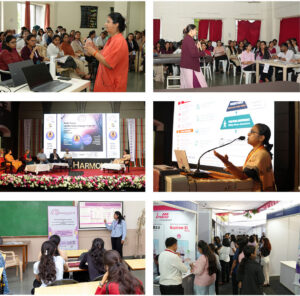
Scientific sessions, workshops, and community engagement highlighted NeuroHarmony 2.0 in Maharashtra, India.