Search Results for: Stroke in ICD-11

The Need for a Global Neurology Alliance

By W. (Bill) M. Carroll, MB, BS, MD, FRACP, FRCP(E)
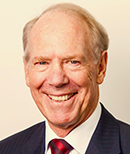
W. (Bill) M. Carroll, MB, BS, MD, FRACP, FRCP(E)

Recently, there has been an explosion of health awareness recognized by individuals, nations, and the global community. The decade of the brain was followed by the human genome project, accompanied by the near eradication of malaria and polio. Yet, we now stand at the threshold of even more rapid advances on many fronts.

3-D printing of the human heart is being used in planning cardiac surgery. Next-genome sequencing is revolutionizing old concepts of disease. Gene therapy shows success in some inherited neuropathies (spinal muscular atrophy) and myopathies (Duchenne muscular dystrophy). Precision medicine is no longer an aspiration in some diseases and countries, and the ability to use publicly accessible data via expanding cloud technologies is yielding unexpected information and the repurposing of medications. Conversely, the cost of drug development, especially in bringing them to market, is becoming prohibitive, exacerbating the accessibility of therapies in many countries.

For the thoughtful and the less fortunate, it is obvious that the developing progress, while exciting and to be celebrated, is creating problems that need to be addressed. The increasing burden of non-communicable diseases (NCD) adds up to what can only be viewed as a potential tsunami for the economies of the world. These NCDs include mental (neurological) and substance-abuse disorders; musculoskeletal disorders; neurodegenerative conditions such as dementia, stroke and Parkinson’s disease; poor lifestyle choices in diet and exercise; and the effects of unhealthy environments1 together with the changing demographic of aging populations in so-called developed countries.

Those people and countries least able to afford the advances and/or mobilize services to adjust to them will see a widening gap, not only in these areas of disease but also in their ability to respond to the periodic recrudescence of infectious disease. This was seen with the outbreaks of Ebola, MERS, SARS, and, most recently, the Zika emergency. It is not by chance that the recent waves of mass migration have occurred as much because people seek better lifestyles (and health services) as fleeing armed conflict.

It is in this environment that those in the neurological fraternity need to mobilize and prepare measures at a number of levels that will mitigate the consequences of these changes. To begin, we must look at the magnitude of the problems facing us. Then, we will evaluate the resources we have available. Finally, we will view three illustrations of how those resources can be optimized to provide the organizational readiness for rapid and effective action as well as long-term planning on a national, regional, and global scale.

The Problem

The global burden of neurological disease figures as a relatively small fraction of the global burden of all disease (GBD) for a range of reasons2. Although not included in the WHO 2014 global status report on NCDs3, stroke and dementia are of major concern to clinicians and national health systems.

The annual stroke toll is approximately 15 million, with one-third being fatal and another third permanently disabling. Indeed, stroke mortality is double that of HIV/AIDS, malaria, and tuberculosis combined, emphasizing the rising burden of brain NCDs. With rates of dementia estimated to triple from 47.5 million to 115 million worldwide by 20504, it is clear that the world faces a rising impost on resources.

Currently, the total burden of mental, neurological, and substance abuse (MNS) is now reckoned to be 258 million disability-adjusted life years — a measure of overall disease burden expressed as the number of years lost due to ill health, disability, or early death. That is up from 182 million in 1990, which has been equated to a $8.5 trillion (U.S.) loss of economic value now, and which will increase again by a factor of two by 20305.

With the addition of other NCDs to stroke and dementia, it is clear that the world neurological fraternity must act in concert and alert governments. Those other NCDs include age-related Parkinson’s disease and other chronic neurodegenerative disease, perinatal injury largely due to asphyxia, childhood developmental and degenerative disease, schizophrenia, high levels of traumatic brain disease, all causes of epilepsy, substance and alcohol abuse, and rising neuroinflammatory disease of the brain and spinal cord.

While world neurological expertise has been steadily advancing partly in parallel with the recognition of the increasing challenges on the horizon and partly with the advances in medical science, it is far from equitably distributed. When the widening gap between well-developed countries with comprehensive health care and those less developed populations and health care systems is appreciated, the likelihood for an emergency is evident6.

Resources

There are a number of valuable resources available. These include measures of the GBD and specific problem areas, such as the NCDs, BNCDs, and MNSs, as well as WHO monitoring for more acute challenges to health through national health departments and WHO’s regional structural organization. (The WHO regional organization mirrors approximately that of the WFN). The periodic assessments of the GBD by the WHO and the Atlas of Neurology (a joint WHO-WFN project) provide the broad sweep, big picture view of resources and needs.

The WFN itself plays an important and growing role in the equalization of access to neurological care both through regional organization support and neurological education. The establishment of the African Academy of Neurology (AFAN) and its first meeting in Tunis this year are illustrative. It joins the expanding roles of other WFN regional organizations, including the Pan American Federation of Neurological Societies (PAFNS), the Australasian and Oceanian Association of Neurology (AOAN), the Pan Arab Union of Neurological Societies (PAUNS), the American Academy of Neurology (AAN), and the European Academy of Neurology (EAN).

Neurological training, the improvement in access to neurological care, and an increasing awareness of the importance of brain health in the general population are furthered by World Brain Day (WBD)7 and the biennial World Congress of Neurology (WCN). The WFN, in partnership with AFAN, has followed the World Federation of Neurosurgical Societies (WFNS) program to train young African specialists. The WFN plans to have four regional training centers in Africa — two each for the Francophone and Anglophone regions. Additional emphasis of WFN involvement at a global level was given by WFN President Raad Shakir as chair of the Neurosciences Topic Advisory Group for the WHO-sponsored International Classification of Disease (ICD-11), due for release in 2018.

More generally, other areas are developing, which will enhance the ability to respond to challenges. Increasingly rapid communication through electronic media, including social media, draws attention to emerging problems. The maturation and expanding expertise of neurological subspecialties and their involvement in wider educational activities (e.g. the International League Against Epilepsy, the World Stroke Organization, and the Movement Disorders Society) as well as the added interest of the larger regional neurological organizations, such as the AAN and EAN, provide a rich resource of intellectual and monetary capital.

Over the last few years, the WFN has provided a focal point for those involved in the medical care of neurological disease through two similar, though importantly different, groups. The first is the World Brain Alliance (WBA). Originally chaired by Vladimir Hachinski, MD, when he was WFN president, it is now chaired by Dr. Shakir. The WBA members include, in addition to the WFN, global organizations that usually do not include neurologists, such as the WFNS, the International Brain Research Organization (IBRO), the World Psychiatric Association (WPA), the International Child Neurology Association (ICNA), and the World Federation of Neurorehabilitation (WFNR). The second group is the Global Neurology Network (GNN) for which the WFN is the current convener and whose members mainly include neurological disease-specific organizations from around the world. Many were originally part of the WFN but have grown to be independent organizations. They include the World Stroke Organization (WSO), the International League Against Epilepsy (ILAE), the Multiple Sclerosis International Federation (MSIF), the Treatment and Research in Multiple Sclerosis (TRIMS) Group, Alzheimer’s Disease International, the Movement Disorder Society, the International Headache Society, the International Society for Clinical Neurophysiology, the Peripheral Nerve Society, and the Tropical Disease Group. Closely associated with this category of disease-specific organizations are both large regional organizations supporting all neurological subspecialties, such as the AAN and the EAN, and the smaller WFN-affiliated regional organizations, such as the AOAN, PAUNS, PAFNS, and AFAN.

Together, these two groups create an impressive global alliance of neurological expertise. It is an alliance appropriately suited to provide global disease-specific advice to international organizations, such as the WHO and the U.N., and to advocate with these organizations and national governments. It is an alliance worthy of the term Global Neurology Alliance.

Recent Examples of United Action

The most critical function of a global alliance of neurological organizations is the ability to formulate, organize, and execute rapid and effective policy or reaction. A powerful advocacy initiative that can mobilize governments and NGOs is of enormous value to those under threat, and it is the rapidity of communication and the common understanding of the advocating group that empower these initiatives as a force for good.

Underlying this ability are two fundamentals. The first is an intimate understanding by the subspecialty organization in the national, regional, and global spheres of all matters affecting practitioners and patients. The second is the intercommunication among the various subspecialty organizations facilitated by the GNN. Regular meetings, updates on activities, and a common understanding of the means to reach their constituencies contribute to the effectiveness of the network.

Recent examples of where this alliance has been called to mobilize and has proven its worth are the 2015 Zika virus outbreak, the WHO initiative on NCDs, and the crisis over the WHO classification of stroke as a circulatory rather than neurological disease.

The outbreak of the arthropod-borne (Aedes aegypti) Flavivirus crisis, known as Zika virus, in April 2015 in Brazil, was designated by the WHO in February 2016 as a public health emergency of international concern (PHEIC)8.

Zika was first found in Uganda in 1947, and the first outbreak of disease occurred in Micronesia in 2007. The South American outbreak was much worse. The primary infection was often asymptomatic or relatively banal, comprising arthromyalgia, a light rash, or a low-grade fever. The major secondary effects were of brain neuronal migration injuries to the fetuses of pregnant women manifesting often, but not solely, as microcephaly, and a postinfectious neuropathy resembling Guillain-Barré syndrome.

Given the unknowns with this outbreak and the urgency to gather information, a committee, headed by John England, MD, was constituted, assisting the global investigation of the outbreak. The committee was supported by WFN resources through the regional organization in South America, the expertise within the organization, and the rapidity with which the WFN could respond to assist. PHEIC status was ceased in November 2016.

The NCD initiative, launched in 2011 by the WHO following the GBD report highlighting the impact of NCDs9, concentrated on cardiovascular disease, cancer, diabetes, and respiratory disease. Omitted were major illnesses central to brain health, such as dementia and stroke. The omission was questioned by the global neurological fraternity. The WFN, through its role as WBA convener and led by Dr. Shakir, waged a campaign to have brain NCDs included in the initiative5.

How did such a situation arise? It seems that because the WHO viewed stroke and dementia not to be brain diseases but rather as circulatory and mental disorders, respectively, they were not included as risks to brain health. There are historical reasons for this view, which were defended by the WHO, but ICD-11 brought this matter to a head. In doing so, it also provides an illustration of the value of a global neurological alliance.

The ICD is revised every decade. ICD-10 was adopted in 1990, and in 2007 the revision ICD-11 was commenced under the supervision of the Revision Steering Group, which took advice from a number of Topic Advisory Groups (TAGs). The ICD-11 Neurology TAG was constituted in 2011 under the leadership of Dr. Shakir. Soon after this process commenced, stroke was apparently accepted as a disease of the brain. When the beta version of ICD-11 was published in 2016, the neurological and stroke fraternities were astounded to find that stroke had been changed to a circulatory disease.

Clarity as to the reason stroke had been omitted from the NCD initiative had arrived. Stroke was not a brain disease. The decision galvanized the neurological and stroke communities. After considerable effort, it was determined that the powerful statistics group within the WHO had been at the forefront of the opposition to the change initiated by the Neurology TAG. While the grounds for such opposition were reasonable and based on a desire to obtain the best longitudinal epidemiological data, it effectively “hid” the impact of stroke in the global community and paid little heed to the growing evidence of the contribution of cerebrovascular disease to dementia and NCDs in general.

There followed initial correspondence to Lancet10 by the WFN and WSO, and the formation of an ad hoc advisory group through the recruitment of national departments of health to voice opposition to the way stroke was handled by the WHO. A number of important face-to-face and telephone meetings took place, as well as a review of the evidence, from the WSO perspective, of why stroke should not be classified as only a circulatory disease. Through an innovation introduced in ICD-11, multiple parenting was possible. This, together with the weight of argument, has seen stroke, as of April 2017, classified as a cerebrovascular disease in the current beta version of ICD-11—an event described by many as momentous. (See the President’s Column.)

Conclusion

It is no accident that these external initiatives of the WFN and partners have been successful. The ability to respond rapidly, to gather expertise, and to plan and implement the agreed approach, while maintaining the flexibility to adapt to developments, are the prime reasons. That there has been an immediate sense of shared purpose, and the acknowledgement that together we are better able to present the arguments firmly and authoritatively, has no doubt assisted. The foresight of the originators of these two groups has to be praised, as does the leadership of the current WFN president and the members of the WBA and GNN.

With the world facing continuing uncertainties, it is likely we shall see more reasons to be grateful for the contributions made by these groupings and to possibly have periodic joint meetings. In practice, these groups and their membership represent a truly global neurological alliance. •

W. (Bill) M. Carroll, MB, BS, MD, FRACP, FRCP(E), is first vice president of the WFN and is the WFN convener for the Global Neurology Network.

References:

  1. Vos T et al Years lived with disability (YLDs) for 1160 sequelae of 289 diseases and injuries 1990–2010: a systematic analysis for the Global Burden of Disease Study 2010. Lancet. 2012;380:2163–96.
  2. Global, regional, and national incidence, prevalence, and years lived with disability for 301 acute and chronic diseases and injuries in 188 countries, 1990-2013: a systematic analysis for the Global Burden of Disease Study 2013. Lancet. 2015; 386: 743–800.
  3. Global Status Report on Noncommunicable Diseases 2014. WHO ISBN 978 92 4 156485 4.
  4. Prince M et al. The global prevalence of dementia: a systematic review and meta-analysis. Alzheimer’s and Dementia. 2013; 9: 65-75.
  5. Shakir R Brain health: widening the scope of NCDs. Lancet 2016,387: 518-519).
  6. Income inequality: The gap between  rich and poor. OECD insights 2015.
  7. Wasay M et al. World Brain Day 2016 celebrating brain health in an ageing population. Lancet neurology 2016;15:1008.
  8. Zika virus and complications: 2016 Public Health Emergency of International Concern. WHO Int on line.
  9. Bloom D E et al. 2011 The global economic burden of non-communicable diseases. Geneva: World Economic Forum.
  10. Shakir R et al. Revising the ICD: stroke is a brain disease. Lancet 2016, 388: 2475-2476.
PRESIDENT’S COLUMN: Long Established WHO, WFN Relationship Continues to Prosper

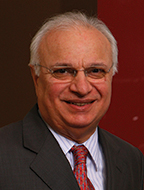
Raad Shakir

Raad Shakir, MD

The WFN is a non-governmental organization (NGO) in official relationship with the WHO. The relationship is symbiotic and solid. It started back in the 1960s during the first term of the presidency of MacDonald Critchley from 1965 to 1969. Initially, it was small and dealt with special problems related to tropical neurology. The association continued following the establishment of the mental health section during Sigvald Refsum’s presidency from 1973 to 1981. Diana Bolis was a major contributor at the time. The relationship continued when the WHO contacted the WFN regarding the revision of the neurological section of the International Classification of Diseases (ICD)-10. At the time, the WHO included stroke in the section of cardiovascular disease, in spite of WFN objections. Walter Bradley and Jean-Marc Orgogozo gave expert advice.

The relationship between the WFN and the WHO has not always been smooth and straightforward. When Richard Masland took over as president in 1981, one of his challenges was to define mental health. Later, during John Walton’s presidency from 1989 to 1997, Norman Sartorius, who was the director of the WHO Division of Mental Health, invited the leaders of the NGOs in neurosciences to an annual meeting at the end of the year. Walton, James Toole, and Andre Lowenthal met with Sartorius. The relationship continued during subsequent years. During Jun Kimura’s presidency, Johan Aarli chaired the Public Relations Committee and subsequently became first vice president and was appointed as the liaison officer between the WFN and the WHO. The relationship flourished during Aalri’s presidency from 2005 to 2009. Under the WHO leadership of Assistant Director General Ala Alwan, succeeded by Oleg Chestnov, head of section Benedetto Saraceno, and his successor Shekhar Saxena, the relationship moved full steam ahead. This was strongly cemented by the appointment of Tarun Dua, coordinator of the WHO’s Evidence, Research and Action on Mental and Brain Disorders Unit, and a pediatric neurologist who took the role as the officer responsible for neurology in the mental health section. The WFN provided several grants to joint activities, which were most rewarding. The publications of the first Neurology Atlas in 2004 and Neurological Disorders: Public Health Challenges are excellent examples.

The WHO activities in our field are crucial for the specialty. If neurology and brain health is to find its rightful place in the agenda of governments across the world, the only way is to go through the WHO. There were, over the last 40 years, several collaborative efforts and, in all, the relationship proved enduring and productive. If we look at the present time and evolving issues, neurologists are at the heart of the WHO activities.

ICD-11

RAAD SHAKIR (LEFT) AND WALTER BRADLEY CHAIR THE TOPIC ADVISORY GROUPS FOR ICD-11 AND ICD-10.

Raad Shakir (left) and Walter Bradley chair the topic advisory groups for ICD-11 and ICD-10.

There are four areas which I would like to highlight. The first is the ICD-11 project, which has now matured and is coming to publication. We have to remember that the ICD is a WHO and not a WFN process, as neurological diagnoses only form a small part of the whole ICD revision program. The ICD-11 will have short definitions for all entities, and it is crucial that the WHO secretariat, represented in our case by Dua, has the support to discuss the issues with the central classification team at the WHO. The common version to be presented in October 2016 is the Joint Linearization for Mortality and Morbidity Statistics (JLMMS) and not the neurology specialty version, which will come later. This is a crucial step to the WHO, as member states will follow this classification. It is most important to point out that, with the help of the WHO team, stroke is now part of the neurology section, which is most important for brain health future statistics. We still have some fine-tuning to do until the end of June 2016. It is inevitable that some neurology specialists, patient organizations, and others may find some of the ICD layout and content not to their liking. All of us have made efforts to reconcile the opinions and needs of neurological and neurosurgical associations and interest groups, at the same time satisfying public health needs and clinical utility, as well as other medical and surgical specialties.

I would like to use this opportunity to thank all my fellow neurologists and neurosurgeons who contributed their time and expertise over the past seven years in making the neurology ICD-11 a viable and meaningful project. The support of the WHO is vital to us in our work and continues to be so. The comments made by the central classification team were taken and acted upon. My fellow members of the Topic Advisory Group (TAG) have been wonderful in their advice and work over the years, and I had the honor to chair the neurology TAG.

WHO Non-Communicable Diseases

LEFT TO RIGHT: OLEG CHESTNOV, WHO ASSISTANT DIRECTOR GENERAL; BENTE MIKKELSEN, GCM NCDS CHAIR; AND RAAD SHAKIR, WFN PRESIDENT.

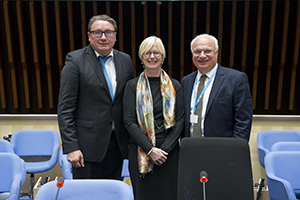
Left to right: Oleg Chestnov, WHO assistant director general; Bente Mikkelsen, GCM NCDs chair; and Raad Shakir, WFN president.

The second issue is that of the WHO non-communicable diseases (NCD) project. The NCDs launch did not initially include neurological diseases. However, since 2013, it has become clear that the neurological, mental, developmental, and substance use (NMDS) group surpasses, in numbers and in Disability Adjusted Life Years (DALYs), the cancer and cardiac disease group. Moreover, prevention is now clearly possible in many such conditions. This has led to the involvement of the WFN in the global coordinating mechanism for NCDs (GCM/NCD), headed by Dr. Bente Mikkelsen. The WFN is an official member and attended meetings for the NCD project. This is very important as the G8 London declaration on dementia states, “the G8 has an ambition to identify a cure or a disease-modifying therapy for dementia by 2025 and to increase collectively and significantly the amount of funding for dementia research to reach that goal.” The WFN has declared that there is “No health without brain health.” This has been met with approval by those involved in health provision from various parts of the world.

In the WHO structure, neurology falls under the administrative charge of the assistant director general for non-communicable diseases and mental health. The WFN has long argued to replace mental health with brain health. This, in our opinion, is more descriptive and inclusive. However, we all appreciate that there are many administrative issues and channels to convince at the WHO, as well as those involved in all aspects of brain health.

Neurology Atlas 2015

The third project nearing finalization is that of the second edition of the Neurology Atlas 2015. The first atlas was published in 2004 and was a WHO best seller. The second edition is coming this year, and we await the final publication. The countries’ resources will be detailed, and again the policies on neurological care and provisions for management will be presented. One can say, even with the preliminary data, that the provisions in low- and low, middle-income countries remain abysmal compared to high-income economies. It is also possibly true to say that the situation regarding the number of health care professionals has improved over the past 10 years. This will have to await final statistical analysis. As for WHO regions, the deficiencies remain in Africa, South Asia, Latin America, and parts of the Eastern Mediterranean region. The atlas, when published, will be of a huge benefit and impact on neurological care provision and training across the world. The WFN would like to thank the WHO secretariat, in particular Tarun Dua and her team, for all their hard work in this endeavor. The WFN is also proud to have contributed to the project financially, as well as with experts helping in the process.

World Health Assembly

RAAD SHAKIR (LEFT) AND TARUN DUA, COORDINATOR OF THE WHO'S EVIDENCE, RESEARCH AND ACTION ON MENTAL AND BRAIN DISORDERS UNIT.

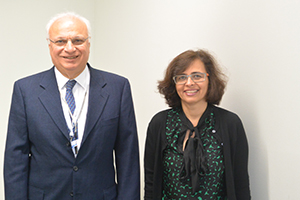
Raad Shakir (left) and Tarun Dua, coordinator of the WHO’s Evidence, Research and Action on Mental and Brain Disorders Unit.

The fourth issue is representing the interests of neurology during the World Health Assembly (WHA). The WHA is the decision-making body of the WHO. It is attended by delegations from all WHO member states and focuses on a specific health agenda prepared by the Executive Board. The WHA meets annually at the end of May. NGOs, like us, can apply to make a statement through a request, and we need to influence the secretariat well in advance to have resolutions adopted by some member states to be presented. The best example of this is the resolution on epilepsy during the 68th WHA meeting in 2015. The delegates endorsed a resolution urging member states to strengthen their ongoing efforts in providing care for people with epilepsy. Although affordable treatment for epilepsy exists, up to 90 percent of people with the condition may not be properly diagnosed or treated in resource-poor settings. The resolution highlights the need for governments to formulate, strengthen, and implement national policies and legislation to promote and protect the rights of people with epilepsy. It also stresses the need to reinforce health information and surveillance systems to get a clearer picture of the burden of disease and to measure progress in improving access to care.

Such declarations need years to achieve and the WFN congratulates the International League Against Epilepsy for its diligent work in bringing this to a conclusion. This can only help the 50 million epilepsy sufferers across the world.

For all these and many other issues, the collaboration between the WHO and the WFN will continue to flourish.

Broadening Our Horizons
WFN: 2010-2013

By Vladimir Hachinski

Vladimir Hachinski

Vladimir Hachinski

Missions set goals and guide actions.  The greatest change that took place in the past four years was an expansion of the WFN mission to “foster quality neurology and brain health worldwide.”   To accomplish this required partners, so we invited representatives from all of the major brain organizations for a meeting in Geneva on March 30, 2011, that resulted in the World Brain Alliance composed of:

  • European Brain Council (EBC)
  • International Brain Research Organization (IBRO)
  • World Federation of Neurology (WFN)
  • World Federation of Neurosurgeons (WFNS)
  • World Federation of Neurorehabilitation (WFNR)
  • World Psychiatry Association (WPA)
  • International Child Neurology Association (ICNA)
  • International League Against Epilepsy (ILAE)
  • World Stroke Organization (WSO)
  • Alzheimer’s Disease International (ADI)

The World Brain Alliance activities can be summarized as an ABC.

A = Advocacy
B = Brain Year
C = Cooperation

I took part in a high ministerial meeting in Moscow in April 2011, then  a consultation with the president of the United Nations General Assembly in June in New York and then a session of the General Assembly that adopted the Non-Communicable Diseases resolution in September 2011.  Subsequently, I continued to be involved with the WHO, including participating in meetings of the Executive Committee.

In addition to my own activities with the WHO, Raad Shakir has chaired and Donna Bergen has participated in the expert panel advising on the revision of the International Classification of Diseases 10 (ICD10) regarding brain disorders.   A major achievement has been the acceptance by the WHO of the recommendation of the subcommittee on cerebrovascular disorders chaired by Bo Norrving, of which I was a part, that stroke cease to be part of cardiovascular disorders and be classified under brain disorders in the ICD-11.

The Brain Year is a project of the European Brain Council, led ably by Mary Baker.  The intent is to proclaim a World Brain Year Europe 2014 at the European Parliament in Brussels. It is hoped that it will be followed by the World Brain Year Americas 2015, World Brain Year Asia 2016, and so on.

In terms of cooperation, the major initiative has been in the neurospecialty network founded and led by Werner Hacke, and now headed by William Carroll.  This aims to bring together all of the specialties related to the brain.  This complements the work done by Donna Bergen, chair of the Applied Research Committee, rationalizing research groups within the WFN whereby some have become largely irrelevant and have been dissolved while others have grown to become major organizations that now are reconnecting with the WFN.

A tangible proof of the new cooperative spirit is that several of the sessions of the World Congress of Neurology were co-sponsored by the Movement Disorders Society, the World Stroke Organization, the International League Against Epilepsy, the International Child Neurology and a session with the WHO.

Grassroots

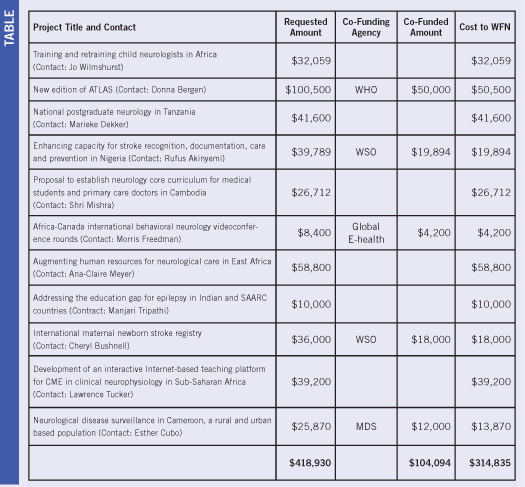
We initiated a process whereby we offer modest amounts of money to individual neurologists who had ideas for projects that meet the criteria of value, viability, synergy and evaluation.  The first year all of the projects were funded by the WFN.  The second year, we asked leaders of other brain organizations to be part of the review process.  This resulted in leadership of the different organizations learning about what each was doing, allowing for cooperation and avoiding overlap.  Last year, there were 10 Grants-in-Aid, half of them were co-funded and half of them were in Africa.  This year, the total value of the 11 grants was $419,000, five co-funded and seven in Africa.

The geographic location of the Grants-in-Aid was based on the criteria alone so that it is encouraging that the largest number ended up being in the area of the greatest need, namely in Africa. The high quality of the projects makes it likely that some of them will produce enough pilot data to allow for applications to larger funding agencies such as the Fogarty Foundation.

Public Awareness  and Action Committee

The Public Awareness and Action Committee headed by Mohamed Wasay is trying to establish a World Brain Day inspired by the highly successful World Stroke Day, that I proclaimed when I was vice president of the WFN in Cape Town on Oct. 29, 2006, along with a World Stroke Agenda to which all of the major organizations dealing with stroke contributed.

Publications

During this administration at the recommendation of the Publications Committee, chaired by Christopher Kennard, a new editor was selected for the Journal of Neurological Sciences.  Robert Lisak who served as editor for 15 years steadily increased the journal’s impact factor and circulation for which the WFN is immensely grateful.  He was succeeded by John England who has co-opted highly capable associate editors in the areas of global neurology, translation research, outcomes research and practice standards that will give the journal a distinctive personality and a higher profile.

World Neurology is now totally digital, being capably edited by Donald Silberberg.  World Neurology is in dynamic interaction with the website that has been modernized, updated and made more useful under the editorship of Pete Engel and with the gifted technical capabilities of Chu Man.  Wolfgang Grisold has been  active in the website in close coordination with the activities of the Education Committee.

World Neurology Congresses:  Accelerating the Cycle

As vice president, I initiated the process that resulted in moving the World Congresses from a four-year cycle to a two-year cycle.  This has allowed for neurology to go where it is most needed.  The main aim of congresses is to take neurology to parts of the world where it becomes accessible to neurologists and others interested in the nervous system who have no means of traveling internationally.  The more frequent congresses also have allowed continuity in organization and the scientific program committee and have brought in more frequent income in an era of shrinking resources.

Finance

Our finances are sound, thanks to our able Secretary-General Raad Shakir and proceeds from a combination of successful congresses and sound investments. Our expanded activities also have required that we revamp the budgeting process, and we have implemented management accounting, whereby it is possible to monitor our income and expenditures on an ongoing basis that will allow for easier planning in the future.

The Standards  and Evaluation Committee

As part of our expanded mission, we established standards, so that anything endorsed by the WFN stands for quality and value.  This began as a working group headed by Aksel Siva, aided by Sarosh Katrak, and initially by Charles Warlow and later by Werner Hacke and has now been established as a new committee of the WFN.  The higher standards have made the WFN’s endorsements more valuable.

Continental Initiatives

WFN_Table1Africa: My predecessor, President Johan Aarli made it his mission to do more with Africa, the continent in the greatest need of neurology.

It was at his behest that the first congress on the African continent took place in Marrakesh in 2011.  Our Moroccan colleagues, led by Moustafa El Aloui, not only hosted an exemplary congress, but used the proceeds from the congress to establish a foundation to further neurological endeavors.  Similarly, the WFN devoted part of its income to be used in Africa.

The WFN has been a participant of the annual neurology courses in Africa along with European Federation of Neurological Societies (EFNS), International Brain Research Organization and others.  The training neurology center in Rabat has now been approved by the WFN, and discussions are under way with colleagues in Ghana and Tanzania for the possibility of setting up a training program in an English-speaking African country.

At the initiative and with funding from the Turkish Neurological Society, a program for visiting trainees has been established between Turkey and East Africa.

The high proportion of grassroots grants funded in Africa reflects both the great need and great opportunities to advance neurology in Africa.

Asia: We began the Asia Initiative led by Ryuji Kaji with modest help from the WFN, helping organize an infrastructure for the now thriving Asian Oceanian Association of Neurology.

Latin America: The formation of a Latin American initiative led by Gustavo Roman resulted in the Latin American Federation of Neurological Societies and in the democratic election of a regional director: Marco Medina.

Regarding the established continental regional neurological societies, namely the North American region (Canada and the United States) and the European Federation of Neurological Societies, our administration made a point of having good and direct relationships with them.  Specifically, we initiated an annual meeting of the leaders of the WFN and the AAN (Berch Griggs, Bruce Sigsbee, Timothy Pedley and Cathy Rydell) that has fostered better understanding and greater cooperation between the two organizations.  Similarly, it has been a pleasure to deal with the president of the EFNS, Richard Hughes, who was most cooperative in co-sponsoring the World Congress of Neurology in Vienna and in dealing with matters of mutual interest.

Education Committee

The single largest activity of the WFN is directed by the Education Committee.  It has been led in an exemplary, complementary way by Stephen Sergay and Wolfgang Grisold who have organized, rationalized and focused the efforts of the Education Committee. Some of their achievements include the accreditation visits to training programs such as the one in Trujillo, Peru, and the activities reported under the Africa Initiative.

The WFN: An Organization  for All Ages and Career Stages

As vice president, I facilitated the incorporation of a young neurologists group led by Walter Struhal with the aim of making the WFN an organization for all ages and career stages.  I am happy to report that there has been a considerable expansion in the participation of younger neurologists, particularly in regard to the website and using modern technology for communication and education.  We also introduced a discount on the congress registration for senior neurologists in an attempt to make the World Congress of Neurology attractive and affordable throughout a full career span.

Leadership Training

Although the administration was elected for a four-year term, we divided it into two halves.  For the initial two years, the committees and initiatives were kept small so that the member could get to know each other and learn to work together.  For the second two years, the committees and initiatives were expanded and a number of vice chairs were appointed, typically younger individuals, more women and more individuals from different parts of the world.  The two-year cycle gives opportunities for promotion to the most active individuals and the possibility of being involved in different committees and initiatives in sequence.

Conclusion

It is not for me to judge what we have achieved, except that it resulted from a collective effort.

I would like to thank Vice President Hacke, Secretary-General Raad Shakir, and fellow Trustees, Donna Bergen, Wolfgang Grisold, Ryuji Kaji, Gustavo Roman and Stephen Sergay, in the central office, Keith Newton, Laura Druce and Helen Gallagher and in my office, Rebecca Clarke and the many around the world who know that they have made a difference.

I am particularly grateful to our Austrian colleagues under the leadership of the World Congress of Neurology, Eduard Auff who hosted a magnificent event. It would be hard to imagine a more splendid congress to culminate my presidency.  I was especially privileged to have my Dream Waltz (orchestrated by Jason Stanford) premiered at the Musikverein as part of the Gala Concert.  It is not too often that one can say that one’s presidency ended literally on a high note.

I congratulate President-Elect Raad Shakir, Vice President-Elect William Carroll, Secretary-General-Elect Wolfgang Grisold, elected Trustee Gallo Diop and continuing elected Trustee Gustavo Roman and wish them every success in fulfilling the mission of the WFN to “foster quality neurology and brain health worldwide.”