Expanding IGAP in Latin America

IGAP Santo Domingo.

By Prof. Renato Verdugo and Prof. Marco T. Medina

The Intersectional Global Action Plan (IGAP) Latin American workshop took place June 13, 2024, in Santo Domingo, Dominican Republic. IGAP is a worldwide plan to combat neurological diseases through 2031. It was launched by the WHO in 2022.

The event in Santo Domingo was organized by the Chilean League Against Epilepsy and the Autonomous University of Honduras, with the support of the Pan-American Health Organization (PAHO). The meeting was directed by Profs. Carlos Acevedo and Keryma Acevedo from Chile and Prof. Marco Tulio Medina from Honduras. Dr. Carmen Martinez-Viciana attended on behalf of PAHO.
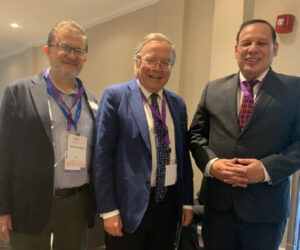
(Left to right) Profs. Fernando Cendes, Renato Verdugo, and Marco Tulio Medina.

The World Federation of Neurology (WFN) was present through the participation of the president of the Pan-American Federation of Neurological Societies (PAFNS) and the regional division of the WFN for Latin America and Caribe Prof. Renato Verdugo of Chile, PAFNS Past President Prof. Marco Tulio Medina, and PAFNS Vice President Prof. Fernando Cendes of Brazil.

The meeting was successful regarding attendance and the relevance of the discussion. The overall theme was “IGAP: Challenges for its Implementation in Latin America.” Several topics were discussed, including:

  • Knowing IGAP, its scope, implications, relevance, and indicators
  • Identifying priorities and regional leaderships
  • Promoting regional development, sharing successful local strategies, and exchanging ideas to promote IGAP in the Latin American region
  • Generating actions and technical visions that may be implemented to support the region locally
  • Generating an epilepsy work model that includes stakeholders in Latin America
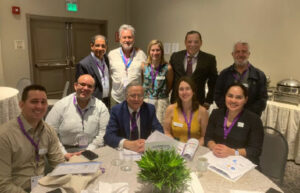
Working in small groups.

Prof. Verdugo gave a talk describing some of the most prevalent and growing neurological disorders in Latin America, with a focus on stroke and dementia. After a general conference, the participants were divided into groups that discussed the different subjects and presented their conclusions.

Ultimately, the meeting drew attention to the need to establish a Latin American regional IGAP group between the WHO/PAHO, regional WHO Collaborating Centers, the International Bureau of Epilepsy, and PAFNS/EFN. •


Prof. Renato Verdugo is president of the Pan-American Federation of Neurological Societies (PAFNS) and Prof. Marco Tulio Medina is past president of PAFNS and former co-opted trustee of the WFN.
Reports of Attendance at the AFAN and ASN Congresses

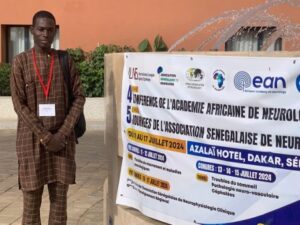
Both of this issue’s Junior Traveling Fellowship recipients attended the Fourth Congress of the African Academy of Neurology (AFAN), held in conjunction with the Fifth Congress of the Association Senegalese of Neurology (ASN), July 11-17, in Dakar, Senegal. Each brings their own perspective on what they saw and did during the meeting.

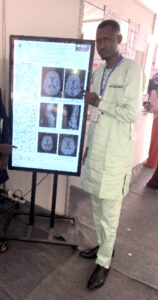
Movement Disorders Society course on Day 1.

Mahamadou Kotioumbe

My participation in the joint congress was made possible by the WFN Junior Traveling Fellowships Grant awarded by the World Federation of Neurology (WFN).

The congress included the Movement Disorders Society (MDS) course, the main congress sessions, and the Teaching Courses.

MDS Course

The MDS course covered a range of topics in movement disorders, including:

  • Parkinson’s disease: Advances in diagnosis, including genetic aspects, treatment, and management
  • Management of atypical Parkinsonian syndromes
  • Hyperkinetic movement disorders: Diagnosis, management, and treatment
  • Treatable movement disorders

There were a number of take-home messages from the course, including the importance of early and accurate diagnosis in improving patient outcomes. We also learned about novel therapeutic strategies, including deep brain stimulation and pharmacological interventions. And there was much said about the role of genetics in movement disorders and the potential for personalized medicine.

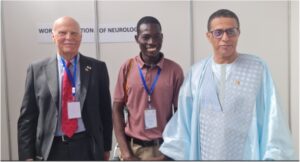
(Left to right) Prof. Wolfgang Grisold, Mahamadou Kotioumbe, and Prof. Riadh Gouider.

Congress Sessions

The main congress sessions featured plenary lectures, oral presentations, and poster sessions on various neurological conditions. The key topics included sleep disorders, stroke, and headaches. Epilepsy, neuroinfectious diseases, and neuro-environment diseases were also covered. I also had the opportunity to present an oral communication, titled “Unusual Presentation of Intracerebral Hemorrhage: A Report From Mali.”

Teaching Courses

The Teaching Courses focused on practical skills and knowledge essential for neurologists in the region.

Sessions included:

  • Neuropathies, clinical neurological examination, and EMG
  • Practical approaches in resource-constrained environments to autoimmune encephalopathies, HIV-related CNS infections, status epilepticus, and stroke.
  • Guidance on writing a scientific article, research project, leadership, and networking

Students came away from the courses with improved proficiency in conducting comprehensive clinical neurological examinations and using EMG for diagnosing neuropathies. We also gained practical approaches for managing critical neurological conditions in resource-constrained environments, such as utoimmune encephalopathies, HIV-related CNS infections, status epilepticus, and stroke. Finally, we received guidance on writing scientific articles and research projects, which is crucial for contributing to the body of neurological research.

Networking and Collaborations

The congress provided an excellent platform for networking with neurologists from around the world. I had the opportunity to meet and interact with leading experts, including:

Prof. Amadou Gallo Diop, Prof. Osheik Seidi, Prof. Riadh Gouider, Prof. Wolfgang Grisold, and many others.

Acknowledgments

Attending the joint congress of the AFAN and the ASN was an invaluable experience. It significantly enhanced my knowledge and skills, provided opportunities for networking and collaboration, and inspired new ideas for future research and clinical practice.

I would like to extend my sincere gratitude to the World Federation of Neurology for the travel grant, which made this enriching experience possible, to the organizers of the congress, and to all of the professors and colleagues I had the pleasure of meeting and learning from during this conference.


Carlos Othon Guelngar

Carlos Othon Guelngar

It was a great privilege for me to participate in the Fourth Congress of the African Academy of Neurology (AFAN), held in conjunction with the Fifth Congress of the Association Senegalese of Neurology (ASN).

The meeting featured an exciting mix of eminent speakers from English- and French-speaking Africa, as well as from Europe and the U.S.

During the meetings, I had the opportunity to present my work on gait disorders revealing a probable sporadic form of Creutzfeldt-Jakob disease, which was diagnosed in the neurology department of the Center Hospitalier de Montluçon.

I also discussed the burden of neurological diseases in Africa. Sleep disorders, strokes, and headaches are real public health problems. The first days of the congress were rich in themes focusing on abnormal movements in neurological conditions. This was organized by the International Parkinson and Movement Disorder Society – African Section (MDS-AS). At the end of the post-congress session, we also enjoyed presentations on neurophysiology, followed by a visit to the MDS neurophysiology training center.

I would like to thank the World Federation of Neurology (WFN) for the Junior Traveling Fellowship that granted me this opportunity, which enabled me to travel, present my work, and forge relationships with our neurophysiological colleagues.

Thanks also to the organizers of the ASN and AFAN. •


Mahamadou Kotioumbe is a neurology resident from Mali. Carlos Othon Guelngar is a young neurologist from Chad.

Brain Health Dominates WFN Efforts

Prof. Wolfgang Grisold provides updates on the Council of Delegates, regional societies, and global activities.

For this column, I would like to update you on the upcoming Council of Delegates (COD) meeting, the joint meeting of the Japanese Society of Neurology, and the Asian and Oceanian Association of Neurology (AOAN) in Japan, as well as report on other global activities.

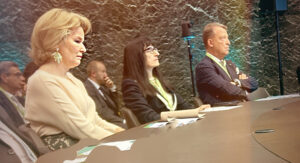
From left to right: Queen Mathilde of Belgium, Elena Moro, EAN president-elect, and Claudio Bassetti, EAN past -president.

Council of Delegates Meeting (COD)

Each year, the World Federation of Neurology (WFN) holds its COD meeting, which is the formal organizational meeting of the WFN. Preceding this meeting, all WFN procedures and activities from 2023 are audited and submitted to the delegates. This includes all activities and financial transactions, which are provided in a report. The trustees are responsible for this important document and will be available for questions and answers.

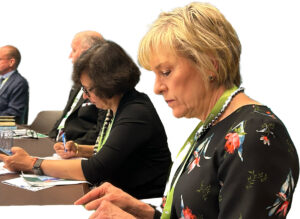
Carlayne Jackson, AAN president, (foreground), and Tarun Dua, head of the WHO brain health unit, are taking notes.

This year’s COD meeting will be held virtually, including the virtual election of one trustee. The experience of the past few years as well as the increasing challenges with travel have made these virtual meetings the best choice.

At the upcoming meeting, the elected trustee position held by Alla Guekht for two terms will need to be filled. The Nomination Committee, which acts independently from the trustees, has selected six candidates from Asia, Europe, and Latin America. The committee considers these candidates as equal and does not indicate any preference. Thus, it will be on the shoulders of the delegates to review the candidate presentations. These are available on the WFN website and on page 15 of this issue. The election details will be communicated to the delegates, the voting will be conducted electronically, and the elected trustee will be presented at the trustee meeting.

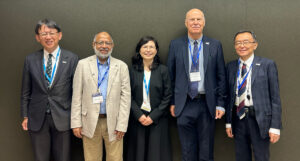
Leadership Meeting with the Japanese Society of Neurology. (from left to right) Prof. Ryosuke Takahashi, Prof. Mohammad Wasay, Prof. Ritsuko Hanajima, Prof. Wolfgang Grisold, and Prof. Yoshikazu Ugawa.

There will also be reports from the president, vice president, treasurer, secretary general, and several committees. We also expect an update on preparations for WCN 2025, which will be hosted in Seoul, South Korea. The site of WCN 2027 will be Cape Town, South Africa. WCN 2029 will be in Europe. The call for candidate cities will be made soon.

We are pleased to announce the International Congress of Neuromuscular Diseases (ICNMD) 2024, which will take place in Perth, Australia, and will  follow the successful series of WFN ICNMD Congresses. The newly introduced World Federation of Neurology Update (WNU) virtual congress will take place Sept. 26-27.

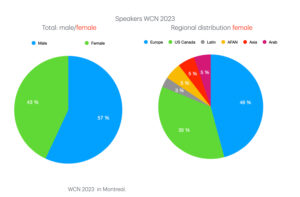
Figure 1. Speaker distribution at the World Congress of Neurology (WCN) 2023 in Montreal by gender and region. While the distribution of speakers approaches an equal distribution, the regional participation of female speakers is dominated by Europe and North America.

Regional Societies

We recently participated in the AAN meeting in Denver and the Japanese Society of Neurology and AOAN meeting in Japan. We look forward to the European Academy of Neurology (EAN) meeting in Helsinki as well as the African Academy of Neurology (AFAN) meeting in Dakar. The WFN uses these opportunities to participate and communicate with leadership and delegates. We also hosted booths to present information about the WFN, the WCN, and the ICNMD.

The EAN organized its Brain Health Summit May 7 in Brussels and addressed many aspects of brain health. Several important European health analyses on neurological disease as well as an analysis of needs and costs were presented. Queen Mathilde of Belgium attended the sessions and held an animated discussion with the faculty during the coffee break. The EAN provided an impressive demonstration of how to raise the matter of brain health to higher political levels.

The joint meeting of the Journal of Neurological Sciences (JNS) and the AOAN took place May 29-June 2 in Tokyo, and included a leadership meeting with the JNS and the WFN, represented by Mohammad Wasay and Wolfgang Grisold, who were privileged to attend the AOAN delegate meeting. Hamidon Basri stepped down as the AOAN president, and Christopher Chen (Singapore) will serve as the new AOAN president. I want to thank Prof. Basri for his service in the past years, and I look forward to him continuing to work with the WFN.

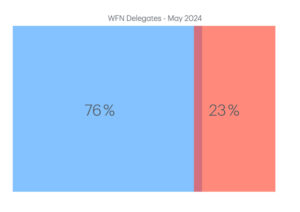
Figure 2. Gender distribution of WFN delegates. This is similar to the worldwide distribution of parliamentarian members.

The WFN continues its efforts to participate in worldwide activities on brain health, as well as advocate for the importance of the Intersectoral Global Action Plan on Epilepsy and Other Neurological Disorders (IGAP). It also excited about the upcoming presentation of the WHO IGAP toolkit, which will be available July 8. Prof. Grisold stressed the importance for member societies engaging with this important WHO initiative to promote and advocate for brain health and the IGAP.

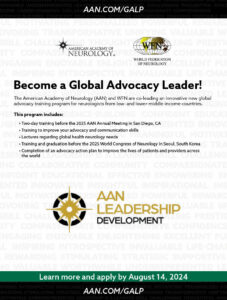
The WFN has entered into a joint initiative with the AAN. Called the Global Advocacy and Leadership Program (GALP), this unique program is designed to provide young neurologists in low- and middle-income countries around the world tuition for live, in-person courses on advocacy and leadership in San Diego (AAN) and Seoul (WCN) as well as a series of virtual sessions in between. Graduation will be held at the Seoul congress. This joint AAN-WFN activity will increase the potential of young neurologists to advocate for neurology as well as increase the awareness for advocacy and leadership worldwide. The applications will be announced by the AAN and WFN in July 2024.

The JNS meeting was perfectly organized, and the JNS now has 10,000 members. The WFN was invited to participate in a session on gender and diversity issues, and received input from speakers from Canada, Japan, and Malaysia, giving regional insight into these important aspects.

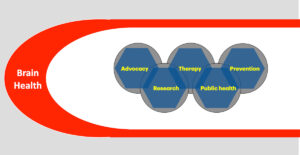
Figure 3. Brain health is a powerful envelop to promote neurology worldwide. Embedded is the IGAP and its five pillars.

The gender distribution worldwide for WFN delegates is 77% male and  23% female. The speaker distribution in Montreal (WCN 2023) was 57% male and 43% female. The membership in WFN committees and subcommittees is 53% male and 47% female. Worldwide, the distribution of parliamentarian members is approximately 75% male and 23% female; the distribution of WFN delegates is similar. But we have been more successful with the distribution in the committees and speakers. Our goal will be a 50/50 distribution. We congratulate the JNS for the organization of this important session.

The highlight for the WFN presence was a session on global neurology with a discussion of the IGAP. WFN speakers were Wolfgang Grisold, Mohammad Wasay, and Tissa Wijnerate. The importance of brain health and the IGAP were emphasized by Prof. Grisold.

From Mongolia, a detailed lecture was given by neurologist Jambal Sarangerel. Prof. Augustina Charway Felli, from the AFAN, presented her lecture via recorded video. The ensuing discussion gave additional information on the purpose and content of the IGAP, and the impression was that the messages were well received.

Prof. Grisold was honored to be one of three speakers at the JNS delegates gala dinner. In addition to the recognition of the JNS and its excellent partnership over decades, he praised the late WFN past-president J. Kimura and past vice president Ruyji Kaji for their contributions to the WFN.

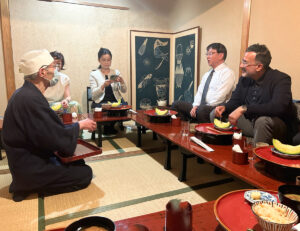
Ryosuke Takahashi (second from the right) invited the lecturers of the gender session (Lorraine Kalia, Isobe Noriko, Sonoko Misawa, Aihuey Tan, Wolfgang Grisold) to a traditional Japanese restaurant, where discussions could be continued.

“The world does not stop“ was his call to the delegates to take up brain health as well as to use the content of IGAP to advocate for neurology in the region.

The WFN was also present in the exhibition hall in two booths. The WFN shared one booth with Korea, which presented information about WCN 2025 in Seoul. The other booth featured the WFN International Congress on Neuromuscular Diseases (ICNMD), which will have its meeting this year in Perth, Australia. The booth was attended by Carlos Hunt from the WFN head office, and the ICNMD stand was attended by Alan Lee. Both stands distributed ample informational material.

The Latest Global Activities

The recent meeting at the U.N. ECOSOC Multistakeholder Forum on Science, Technology, and Innovation for the Sustainable Development Goals in New York was attended by Profs. Alla Guekht and Wolfgang Grisold, who delivered a statement on “Bridging the science, technology and innovation divides to eradicate poverty and end hunger.”

Some of the the AOAN delegates, from left to right: Dr. Hino, Dr. Thirugnam, Dr. Wiratman, Prof. Kim, Dr. Chung, Prof. Sambal, Prof. Lay, and Prof Ogawa.

This was well received and conveyed the importance of brain health.

On April 26, the high-level WHO Meeting to Defeat Meningitis took place in Paris.

It was under the patronage of French President Emmanuel Macron and was attended by WHO Director General Tedros Ghebreyesus. Impressive stories of patients made it clear to the audience that not only is fighting and defeating meningitis important, but a significant number of survivors suffer from disability. The actions and success of the WHO in this important task are impressive. The WFN is a stakeholder in this initiative and will help to bring this important information to our member societies.

The most important activity at present is the introduction of the WHO IGAP Toolkit, which will be released on July 8, 2024. This toolkit has been developed with support of the WFN, and is a well-balanced document that explains the implementation of the IGAP to all stakeholders. It is of extreme importance that this document, signed by all member states, will give neurologists a solid basis for discussing, implementing, and improving neurology services in their regions. The center of all activities are the persons affected.

Who Director General Tedros Ghebreyesus at the WHO Meeting to Defeat Meningitis.

The World Health Assembly took place in Geneva May 27-31. The WFN was represented by Profs. Alla Guekht and Ksenia Pochigaewa, who made statements on behalf of the WFN. Details of this meeting will be reported separately in World Neurology.

On July 22, World Brain Day (WBD) will be celebrated, and the theme is Brain Health and Prevention. Please see our website for information and the available material in our toolkit. Please use and modify the material to your needs and make your local society, and your country, aware of the importance of brain health and prevention. On July 22, please join us for an international webinar, with participants from the WHO and all WFN regions.

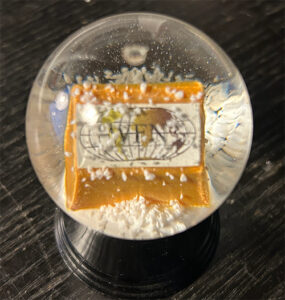
A special snow globe version of the WFN pin produced exclusively as a gift for the AAN leadership.

We look forward to your input and work for neurology worldwide. Last but not least, we congratulate Prof. Alla Guekht for her election as the incoming ILAE president.

WFN Pin

The WFN has created a new WFN pin. We will be glad to ship a pin and an IGAP information folder to the first 20 applicants before July 22, 2024. Please send your name, region, country, and professional role in your member society. Please also include comments on World Brain Day and the IGAP with a maximum of 500 words. Use the following address: info@wfneurology.org. The jury will select the most inspiring comments and use them for publication in an upcoming issue of World Neurology. •

In addition to this report and update on WFN developments and activities since the last edition, please follow our website and social media for more information. This year, the WFN launched a WFN service page in the (JNS). The third issue of the WFN service pages will contain information about the WFN core curriculum, the journal eNS, the WFN AFAN educational day, and the Italian Brain Health Initiative.

From the Editors

Global Advocacy Training in the Spotlight

We’d like to welcome all readers to the June 2024 issue of World Neurology. This issue includes a call for applications for the upcoming Global Advocacy Leadership Program, co-led by the American Academy of Neurology (AAN) and the World Federation of Neurology (WFN). Recognizing the important role of advocacy for improvement in neurologic care, access, outcomes, and the field of neurology worldwide, this is an innovative and exciting program for advocacy training for neurologists from low- and lower-middle-income countries. Please visit the AAN website for more information about the program and the application process! The application deadline is Aug. 14, 2024.

Continuing with the advocacy theme, Drs. Christina Briscoe Abath and Keryma Acevedo discuss the importance of collaborating for awareness, management, and education about infantile epileptic spasms syndrome, an epileptic syndrome where early diagnosis and management is critical for optimal developmental outcomes. Also in this issue, Drs. Matilde Leonardi and Alessandro Padovani report on the launch of the Italian Brain Health Strategy (2024-2031) and its One Brain, One Health Manifesto.

In the President’s Column, WFN President Wolfgang Grisold provides updates on many WFN activities, including World Brain Day (WBD) 2024, the introduction of the WHO Intersectoral Global Action Plan (IGAP) Toolkit, the upcoming World Federation of Neurology Digital Neurology Updates (WNU) 2024 (an important educational initiative planned for September 2024), as well as many other ongoing initiatives.

Drs. Morris Freedman, Surat Tanprawate, Steven Lewis, and Wolfgang Grisold, as well as Chiu Keung Man, report on the exciting launch of the WFN eLearning hub, a novel e-Learning platform that offers free access to a broad spectrum of high-level educational material in neurology for neurologists and other health care professionals across the world.

In the History Column, coinciding with the 100th anniversary of the first human EEG recording, Dr. Peter Koehler provides an extensive and well-illustrated report on the origins and development of EEG recording and leading into its current and evolving role in brain-computer interfaces.

This issue also includes reports from recent national and regional congresses. Drs. Rajeev Ojha and Marianne de Visser report on the First International Congress of the Nepalese Academy of Neurology, and Dr. Aida Kondybayeva reports on the VI International Educational Forum, the Neurology Update in Kazakhstan, which took place in Almaty, Kazakhstan.

Dr. Tissa Wijeratne also reports on the session held at the recent 65th Japanese Society of Neurology and 19th Asian Congress of Neurology (AOCN2024), where a joint WFN-AOAN session focused on the WHO IGAP and its implications and call for action in the Asian Oceanian regions. This issue also includes a photo of Dr. Vladimir Hachinski, a previous WFN president, receiving the prestigious Ryman Prize from the president of New Zealand.

Finally, this issue includes the statements from each of the six candidates brought forward by the WFN Nominations Committee for the position of WFN elected trustee, in preparation for voting prior to the upcoming Council of Delegates meeting.

In closing, thank you for your continuing interest in the WFN and World Neurology, and we look forward to sharing more details about the many activities for neurologists worldwide in upcoming issues. We encourage all of you to participate in (and initiate) many activities surrounding World Brain Day 2024 devoted to Brain Health and Prevention. We also remind our readers from low- and lower-middle-income countries to consider applying for the AAN/WFN Global Advocacy Leadership Program. •

The Launch of the Italian Brain Health Strategy

The One Brain, One Health Manifesto outlines strategy through 2031.

Matilde Leonardi

By Matilde Leonardi and Alessandro Padovani

Globally, brain diseases represent the leading cause of disability and the second leading cause of death, with a burden expected to increase with the growth and aging of the population. These pathologies already pose a significant burden on health care systems today, and all estimates show that, without the appropriate interventions, the situation is destined to worsen in the coming years.

Faced with this epidemiological picture, the World Health Organization (WHO) has developed and provided the world with the Global Action Plan on Epilepsy and Other Neurological Disorders (IGAP). The plan was  endorsed by all member states at the World Health Assembly in 2022, and calls for radical change with respect to brain health and neurological disorders.

The Italian Strategy for Brain Health.

The Società Italiana di Neurologia (SIN) intends to implement the WHO Global Action Plan in Italy through the Italian Brain Health Strategy 2024-2031, launched in March during World Brain Week 2024. The strategy serves as a starting point for a reflection that involves all national stakeholders on the possible interventions to be implemented in the fields of health planning, prevention, research, diagnosis, treatment, rehabilitation, and social issues.

The SIN adopts the definition of “brain health” provided in the IGAP by the WHO as a condition in which “each individual can realize his or her capabilities and can optimize his or her cognitive, emotional, psychological, and behavioral domains to deal with life situations,” in the belief that an overall approach to all these aspects can improve the mental and physical well-being of the individual and reduce the impact of brain diseases on patients, caregivers, the health care system, and the social and economic fabric.

To spread this approach to brain health, the SIN intends to start a fruitful comparison with the so-called “6 Ps.” They are:

  • Patients (patient and family associations)
  • Health Care Professionals
  • Providers (of public and private health and social services, therapies, and technologies)
  • Partners (scientific societies, universities, and research institutes)
  • Politicians (decision makers and financiers of public policies and institutions)

Program cover of the One Brain, One Health meeting.

The General Population

The Italian approach promoted by SIN finds space in the Italian Manifesto, “One Brain, One Health,” presented to the Chamber of Deputies with dozens of institutional representatives in March. The manifesto outlines the key points of the Italian Strategy for Brain Health 2024-2031 and identifies the priorities for action to be implemented in the coming years with the collaboration of all the actors in the social and health care panorama — in particular all the parties involved in various capacities in brain health.

The manifesto considers the brain as a single complex system in relation to the physical and social environment, where the two components operate together and influence each other. One brain therefore means that each person’s brain and mind are strongly connected with the brains and minds of all others, and that the health of the brain, therefore, is equivalent to the health of the community. One health is based on the recognition that human health, animal health, and ecosystem health are inextricably linked and therefore support the existence of a single health, where no component predominates over the others and all are closely connected and interdependent.

The Italian Strategy for Brain Health 2024-2031 is also in line with the global WHO IGAP implementation plans, promoted by the World Federation of Neurology (WFN) and promoted by the European Academy of Neurology (EAN), which launched its Brain Health Mission in 2022.

The primary objective of the Italian Strategy is to create awareness about Brain Health throughout the country and start the implementation of initiatives to prevent and combat the development of mental and neurological diseases. The WHO IGAP provides a clear and precise map of actions that each country will need to take to optimize brain health.

The “One Brain, One Health” Manifesto — in total harmony with what is contained in the WHO IGAP — allows us to define a work plan in line with the WHO global strategy and to place brain health and the reduction of the burden of brain diseases as Italian priority for the coming years. The Italian Brain Health Strategy 2024-2031 is thus in line with the global WHO IGAP implementation plans, promoted by the WFN and the EAN.

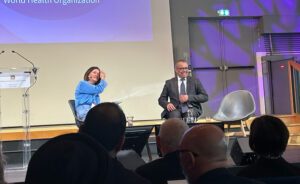
Representatives of the WHO, WFN, and EAN.

With the Italian Brain Health Strategy, our country has the opportunity to be among the first to adopt concrete solutions to enhance, promote, and protect the brain throughout the entire lifespan and in all segments of the population, because brain health plays a fundamental role at any age and for every person, regardless of social and geographical conditions. To face this enormous challenge, different actions are needed to increase awareness, education, research, but also to create new integrated public health approaches (Global Health) and boost the empowerment of people. Collaboration between those who deal with the different fields of neurology, psychiatry, neuropsychiatry, psychology, neurorehabilitation, and in general, research and treatment in neuroscience is an essential requirement to improve the effectiveness of interventions and to reduce the impact of neurological and mental pathologies.

During the event held at the Italian Parliament in front of the Minister of Health, representatives of WHO, WFN, and the EAN (Dr. Devora Kerstel, Prof. Wolfgang Grisold, and Prof. Paul Boon), Parlamentarians, and representatives of more than 18 scientific and patient organizations, the manifesto was signed, and Italy is ready to work on its implementation to promote brain health and to fight the burden of neurological disorders. •


Matilde Leonardi is Società Italiana di Neurologia (SIN) board member, and Alessandro Padovani is SIN president.

WHO Intersectoral Global Action Plan

A WFN-AOAN session provides a call for action to leaders in global neurology.

By Tissa Wijeratne

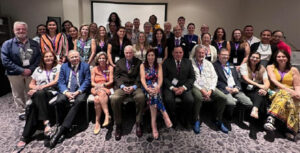
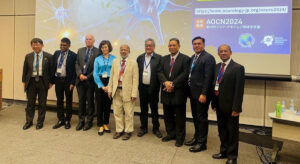
Participants at the WFN-AOAN session focusing on the WHO Intersectoral Global Action Plan (IGAP).

At the 65th Japanese Society of Neurology and 19th Asian Congress of Neurology (AOCN2024), the WFN-AOAN session focused on the WHO Intersectoral Global Action Plan (IGAP) and its implications, urging key opinion leaders in global neurology to take action. This session was chaired by Profs. Hamidon Basri, AOAN president, and Ryosuke Takahashi, from Kyoto University and the Japanese Society of Neurology.

WFN President Prof. Wolfgang Grisold explained the WHO IGAP to the delegates, encouraging an interactive discussion. WFN Trustee Prof. Mohammad Wasay provided insights into the status of the WHO IGAP, specifically in the Asia-Oceania region. Dr. Augustina Charway-Felli presented data on African neurology and the IGAP, highlighting regional challenges and progress.

Prof. Sarangerel Jambal, president of the Mongolian Neurological Society, gave a comprehensive overview of neurology in Mongolia, detailing the unique aspects and challenges faced in the country.

Prof. Tissa Wijeratne, co-chair of World Brain Day (WBD), traced the evolution of WBD from its inception to the upcoming WBD 2024. He emphasized the importance of embracing WBD and prioritizing preventative brain health across the region. This call for action was strongly supported by all speakers, highlighting the significant impact of advancing brain health initiatives in the Asia-Oceania region.

The session underscored the critical need for collaboration among global neurology leaders to address neurological disorders effectively. By adopting and promoting the WHO IGAP, the session aimed to mobilize efforts toward improving neurological health outcomes, emphasizing the importance of preventative measures and international cooperation. The discussions highlighted the diverse perspectives and regional insights, fostering a unified approach to tackling global neurological challenges. •


Prof. Tissa Wijeratne is co-chair of World Brain Day.

Apply Now for the AAN and WFN Advocacy Leadership Program

The American Academy of Neurology (AAN) and the World Federation of Neurology (WFN) will host the first global advocacy leadership program for low- and low-middle-income countries. This is the first global advocacy leadership program created exclusively for neurologists. It will include exciting in-person and virtual training sessions from San Diego to Seoul and will include several units of personal training and a faculty composed of worldwide, experienced advocates for neurology.

For 20 selected individuals, all costs will be included. Please see our joint announcement and go to //AAN.com/GALP to find out if you are eligible.


WFN Launches e-Learning Hub

Directory items for easy navigation on the WFN e-Learning Hub.

Visitors can get free access to global virtual education.

Morris Freedman, Surat Tanprawate, Chiu Keung Man, Steven Lewis, Wolfgang Grisold

The World Federation of Neurology (WFN) has launched its novel e-Learning platform, which offers free access to a broad spectrum of high-level educational material in neurology for health care professionals. Branded as the WFN e-Learning Hub, this platform has been designed as a full-access electronic library that includes WFN programs. It also features external material from centers across the globe, such as teaching rounds, seminars, webinars, lectures, master classes, and related academic activities.

The WFN e-Learning Hub serves as a one-stop shop to access this material by simply clicking on links to archived videos. For programs involving the WFN, these include the World Congress of Neurology, WFN Digital Neurology Update, WFN-AFAN e-Learning Day, WFN-AOAN e-Learning Day, International Congress on Neuromuscular Diseases, and Education in Headache to Health Care Providers in Africa.

Videos by topic can be searched for, such as this video of Suvarna Alladi.

As the WFN e-Learning Hub grows, with more sites contributing to its archived educational videos, it will be poised to become the go-to website where health care professionals from all countries will be able to access free educational material on any topic of their choice. Moreover, new content will be added on a regular basis.

The WFN e-Learning Hub features a broad spectrum of topics. Clicking on any of the menu items will open a page with access to recorded videos within this topic area. These videos will be focused on events organized by the WFN or in collaboration with the WFN. The hub also includes information on special educational days as well as External Resources.

Sample video page of Prof. Wolfgang Grisold’s welcome address at the WFN-AOAN e-Learning Day.

Videos related to a specific topic, such as Prof. Suvarna Alladi speaking on Advocacy in Dementia at WCN in 2021, can also be found on the site.

Visitors can view videos from previous events, such as Prof. Wolfgang Grisold giving a welcoming address during the WFN-AOAN e-Learning Day in 2023 with the theme of advancing stroke care in Asia.

External Resources, the lower button on the upper left side of the hub, opens a web page from sites outside of the WFN. We invite organizers of educational events from WFN member societies, academic institutions, and hospitals across the world to submit requests for a link to their archived programs for posting on the WFN e-Learning Hub. These requests, as well as questions, should be sent to Dr. Surat Tanprawate, chair of the e-Communications & e-Learning Committee. His email address is surat.md@gmail.com.

The External Resources menu item provides links to resources outside of WFN.

Access to the WFN e-Learning Hub is open to all health care professionals. The hub can be accessed by clicking on the Education tab on the WFN website or directly here.

Acknowledgements

We gratefully acknowledge the current WFN trustees: Maria Benabdeljlil, Alla Guekht, Minerva López Ruiz, Chandrashekhar Meshram, Guy Rouleau, and Mohammad Wasay, as well as the former WFN trustees: William Carroll, Walter Struhal, and Marianne de Visser for their contributions to the development of the WFN e-Learning Hub. •


Morris Freedman is treasurer of the WFN, Surat Tanprawate is chair of the WFN e-Communications & e-Learning Committee, Chiu Keung Man is WFN Digital Content and IT Management consultant, Steven Lewis is secretary general of the WFN, and Wolfgang Grisold is president of the WFN.

From Animal Spirits to Brain-Computer Interface

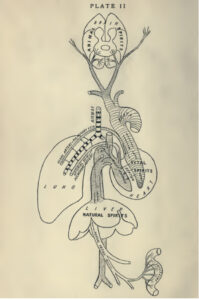
Figure 1. Human physiology according to Galen (129-c.199).

A look back at the relationship between electricity and the brain on the 100th anniversary of the first human EEG recording.

by Peter J. Koehler

This year marks the centennial of the first registration of a human electroencephalogram (EEG). Why is it that just a few hundred years ago physicians were still thinking in terms of animal spirits (spiritus animalis) flowing through cerebral ventricles and hollow nerves, when today we can create brain-computer interfaces to help disabled persons control their wheelchairs?1

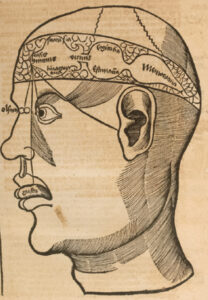
Figure 2. Ventricular or cell doctrine from the 1508 edition of Gregor Reisch’s Margarita philosophica.

“Neurophysiology” Before the 18th Century

The doctrine of pneuma (spiritus in Latin, a very fine and volatile material principle of life) states that natural spirits (spiritus naturalis) arise in the liver, according to the physiology of Galen (129-c.199). These are converted into vital spirits (spiritus vitalis) after passing through tiny pores between the right and left parts of the heart. After passing through the rete mirabele — a vascular plexus of blood vessels at the base of the brain surrounding the pituitary gland that is present in mammals, but not in humans — they become animal spirits (spiritus animalis),2 flowing through the brain cavities and nerves. (See Figure 1.) Greco-Roman medicine, with the even older humoral pathophysiology in addition to this pneuma doctrine, was influential for many centuries.

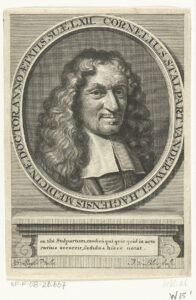
Figure 3. Cornelis Stalpart van der Wiel contested the localization of the soul in the pineal gland.

In the Middle Ages, the material part of the soul was still localized in the brain cavities — a system also known as ventricular or cell doctrine. It was assumed that in the first cell — our first and second ventricles — the information from the senses comes together
(Figure 2; sensorium commune). This is also where fantasy and imagination reside. In the second cell (today’s third ventricle), thinking and judgment were localized, and in the third cell memories were stored. The spiritus animalis could reach the muscles through nerves, which were assumed to be hollow.

In Traité de l’Homme, written in the 1630s but published posthumously in 1664, René Descartes (1596-1650) described his reasons for localizing the material part of the soul in the pineal gland (glandula pinealis) rather than in the ventricles. In the following 150 years, a debate arose as to whether this gland was the seat of the soul, particularly because of the discovery of stones (calcifications) often found in this gland at autopsy. Some denied it for this reason, such as the Dutch physician Cornelis Stalpart van der Wiel (1620-1702, Figure 3).3

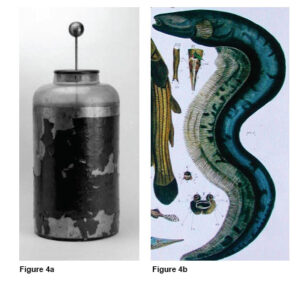
Figure 4a. Leyden jar (left) at the Museum Boerhaave, Leiden, and Figure 4b. Electric eel from Albertus Seba’s Thesaurus: Naaukeurige beschryving van het schatryke kabinet der voornaamste seldzaamheden der natuur [Accurate description of the treasury of the principal rarities of nature] (Locupletissimi rerum naturalium thesauri accurata descriptio (4 Vols. 1734-65)).

Others reasoned instead that people with such stones exhibited behavioral disorders. For example, a case involved a young woman who was convicted of infanticide of her newborn in the 17th century. She was decapitated and at autopsy a pineal gland stone was found that would have explained her behavior.

In the 18th century, electric fish, specifically the electric eel, found in Dutch colonies in the West Indies — present-day Surinam and British Guiana — played a role in the realization that electricity is connected to nerve function. These fish can build up a potential of 700 to 800 volts, much more than the electric ray (torpedo), which had already been described in Ancient Greece.

Dutch colonists, who had felt the effects of a Leyden jar with Pieter van Musschenbroek (1692-1761) from 1745 onward, recognized this feeling when they encountered the electric eel in the West Indies. Experiments were conducted, and correspondence took place with the Hollandsche Maatschappij der Wetenschappen in Haarlem (Netherlands), which had been founded in 1752. The final proof of the electrical properties occurred when sparks were drawn at demonstrations before the Royal Society in London in the 1770s. Thus arose the concept of animate electricity from Luigi Galvani (1737-1798) which, incidentally, was opposed by Alessandro Volta (1745-1827).4,5

Figure 5a. (left) Title page of Dubois Reymond’s book (second volume), on which we see a drawing of a horse falling paralyzed into a stream by the discharge of an electric eel. Figure 5b. Apparently the drawing was made by him, as we read (to the left below): “EdBRdel” (E dBR delineavit).

Neurophysiology in the 19th Century

Finally, it was Emile Dubois Reymond (1818-1896) who was able to demonstrate the action potential (he called it “negative variation”) in a peripheral nerve with a sensitive galvanometer (1848). With this, he provided irrefutable proof that nerves were actually “electric,” which greatly influenced thinking about the etiology and treatment of nervous diseases. Shortly thereafter, the inventor of the ophthalmoscope (1851), Hermann von Helmholtz (1821-1894), was able to determine the velocity of the signal that propagates along the sciatic nerve of a frog.

Meanwhile, various physicians had begun to apply electrotherapy. In fact, this had been possible since the aforementioned invention of the Leyden jar, which allowed electricity to be brought outside the walls of the laboratory. With electromagnetic equipment and increased interest in the electrical properties of the nervous system, the use of electrotherapy gained interest.

This interest in electricity gradually shifted to the central nervous system, especially when the physician-electrotherapist Eduard Hitzig (1838-1907) got the idea of stimulating the brain of laboratory animals after a chance observation.6,7 With his sensitive stimulation method, he and Gustav T. Fritsch (1838-1927) were the first to be able to elicit muscle contractions in the limbs of a dog (1870; Figure 6). Due to the Franco-German war, however, their publication was hardly noticed. Three years later, it could be confirmed by David Ferrier (1843-1928), who did more detailed neurophysiological research in several species of animals.

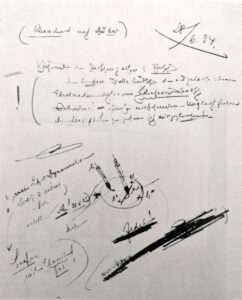
Figure 7. Berger did not publish his first human registration. This is the protocol of his registration on June 28, 1924, with a drawing showing the area of the skull defect and position of the electrodes.

Electrodiagnostics

Shortly thereafter, Richard Caton (1842-1926) in Liverpool was able to observe “feeble currents of varying direction” with electrodes on the cortex of a rabbit using a sensitive coil galvanometer combined with optical magnification.9 Several other researchers engaged in similar studies, including Adolf Beck (1863-1942) in Kraków. In 1890, Beck observed in laboratory animals that spontaneous fluctuations ceased after sensory stimulation. He also observed desynchronization of cortical activity upon sensory stimulation.

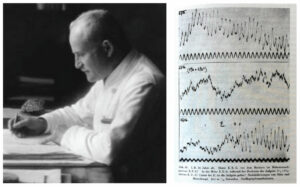
In 1901, Leiden physiologist Willem Einthoven (1860-1927) invented the string galvanometer, which shortly thereafter enabled him to record the ECG. He received the Nobel Prize for this in 1924. Hans Berger (1873-1941), who was interested in psycho-physical correlation through a telepathy (he did not use that term) incident, used this instrument — and later the Edelmann string galvanometer — for the registration of brain waves in humans. This year marks the centennial of his first registration from the human cortex in someone with a skull defect. (See Figure 7.)

It was not until five years later, in 1929, that he began to publish papers about it.10 In fact, recognition came only after confirmation by Edgar D. Adrian (1889-1977) and Bryan Matthews (1906-1986), who presented their work to the British Physiological Society in May 1934. In an article in Brain in the same year, they proposed the eponym Berger rhythm in reference to the alpha rhythm, which they believed could be found occipitally. Berger’s role during the Nazi period — some sources originally claimed he was forced by the Nazis to retire and commit suicide because he disagreed with the regime — turned out to be less courageous than previously suggested.11

Figure 8. Hans Berger and the EEG of his 16-year-old daughter Ilse at rest (top), during a math problem (middle) and after she had solved it (bottom). The recordings were published in Berger’s 12th report of 1937.

The discovery of EEG had a huge impact, both on science and the general public. The latter has been fascinatingly described by medical historian Cornelius Borck in his book Hirnströme. Eine Kulturgeschichte der Elektroenzephalographie.13 His book was later translated into English.14

Brain Organ

Some years ago, I received a box with historical material from the son of Dutch clinical neurophysiologist Willem Storm van Leeuwen (1912-2005). The box contained recordings from the 1950s carrying the name “Brain organ.” After digitization, I was able to hear the sonified EEG signal, a registration made by Jan Willem Storm van Leeuwen in the 1950s. The sound changed tone with the opening and closing of the eyes. He published a paper on it in 1958.15

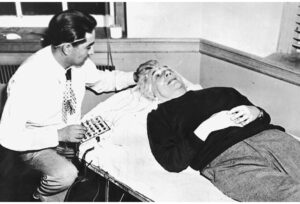
Figure 9. Albert Einstein’s EEG being registered and compared with other scientists at Massachusetts General Hospital in 1950.

As Storm Van Leeuwen had trained in Bristol with William Grey Walter (1910-1977) and in Cambridge with Adrian in the late 1940s, it is likely that he got the idea from the latter, who had written that by listening to the nerve discharge during an experiment, he had been able to save a lot of time and photographic material. Moreover, Adrian sometimes found it an advantage to be able to both hear and see the rhythm as he took the EEG from himself.16 Listening provided a useful complement to visual analysis, as several EEG phenomena could be more easily identified with hearing.

Cybernetic theory-inspired physicist Edmond Dewan (b. 1931) — a friend of the pioneer in that field, the mathematician and philosopher Norbert Wiener (1894-1964) — designed a “brainwave control system” in the 1960s that allowed him to turn off a bedside lamp without using motor skills.

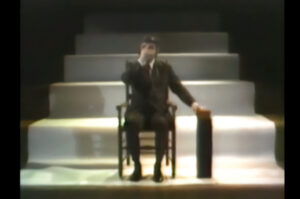
Figure 10. Alvin Lucier during a performance of Music for Solo Performer, which can be found on YouTube (Alvin Lucier – “Music For Solo Performer” (1965) – YouTube).

As an amateur organist, Dewan befriended experimental composer Alvin Lucier (1931-2021), who was inspired to create the first composition based on brainwaves. Music for Solo Performer was first performed in 1965. Sitting on a chair with his eyes closed, Lucier’s EEG was transmitted to numerous speakers scattered around the auditorium. Because the amplified alpha rhythm was below human audible range, the speakers were placed directly opposite various percussion instruments, which were then activated by vibration. As Lucier tried to refrain from mental activity, percussion sounds gradually emerged in the room (Figure 10). These then suddenly stopped again when he opened his eyes, engaged in mental exercises, or when his attention was drawn to sounds from the audience.

Brain-computer music interfaces became very popular. In 1995, when I attended a meeting of the European Club for the History of Neurology in Oslo, Norway, the opening ceremony took place in the Town Hall. The Norwegian composer Arne Nordheim (1931-2010), a pioneer of electronic music in Norway, produced music from signals routed to a computer from the EEG recording of a mother and her epileptic child. Today, such an experiment would probably raise eyebrows and ethical questions, but at the time, it was reported in Norwegian newspapers.

The sonification of brain waves took a new turn toward the late 1960s, when cybernetic theories and scientific breakthroughs gave rise to the field of biofeedback, in which biological processes were measured and fed back to the same individual to gain control over those processes. The sonification of EEG provided an interaction between neurophysiology and experimental music. Although initially applied by neurophysiologists as an adjunct visual EEG analysis, experimental composers turned to brainwave sonification to explore the sonic boundaries between mind and machine.17

Brain-Computer Interfaces

During the past decades, the EEG signal became important as a diagnostic tool for communication with patients suffering from disorders of consciousness.18 In the field of rehabilitation of paralyzed patients, intracortical brain-computer interfaces are being used to restore movement and communication by decoding movement signals from the brain. Brain-computer interfaces enabled functional restoration of movement and communication, including robotic arm control, reanimation of paralyzed limbs through electrical stimulation, cursor control, translating attempted handwriting movements into text, and decoding speech.19

EEG became a promising tool for bridging the gap between mind and machine, enabling the integration of mental and computer processes into one comprehensive system. Berger probably would have been thrilled.

Acknowledgement

I am grateful to Ragnier Stien for making available the program of the performance in Oslo. •


Literature

Vansteensel MJ, Pels EGM, Bleichner MG, Branco MP, Denison T, Freudenburg ZV, Gosselaar P, Leinders S, Ottens TH, Van Den Boom MA, Van Rijen PC, Aarnoutse EJ, Ramsey NF. Fully Implanted Brain-Computer Interface in a Locked-In Patient with ALS. N Engl J Med. 2016 Nov 24;375(21):2060-2066.

McHenry LC. Garrison’s History of Neurology. Springfield, Illinois, Thomas, 1969, p. 13.

Koehler PJ. Brain stones. World Neurology 2017 (January): 6-7.

Koehler PJ, Piccolini M, Finger S. The “Eels” of South America: Mid-18th-Century Dutch Contributions to the Theory of Animal Electricity. Journal of the History of Biology 2009;42(4):715-763.

Koehler PJ. Medical observations by European physicians in the colonies. Philippe Fermin’s observations in 18th century Surinam. World Neurology July 2016.

Hagner M. The electrical excitability of the brain: toward the emergence of an experiment. J Hist Neurosci. 2012 Jul;21(3):237-49.

Koehler PJ. Eduard Hitzig’s experiences in the Franco-Prussian War (1870-1871): the case of Joseph Masseau. J Hist Neurosci. 2012 Jul;21(3):250-62.

Fritsch G, Hitzig E. Über die elektrische Erregbarkeit des Grosshirns. Archiv für Anatomie, Physiologie und Wissenschaftliche Medicin 1870;300-32.

Caton R. The electric currents of the brain. British Medical Journal 1875;2:278.

Berger H. Über das Elektroenzephalogramm des Menschen. Arch. Psychiat Nervenkrankh 1929;87:527-70.

Zeidman LA, Stone J, Kondziella D. New revelations about Hans Berger, father of the electroencephalogram (EEG), and his ties to the Third Reich. J Child Neurol. 2014 Jul;29(7):1002-10.

Berger H. Über das Elektroenzephalogramm des Menschen XII. Arch. Psychiat Nervenkrankh 1937;106:165-87.

Borck C. Hirnströme: Eine Kulturgeschichte der Elektroenzephalographie. Göttingen, Wallstein, 2005.

Borck C. Brainwaves: A Cultural History of Electroencephalography. London/New York, Routledge, 2018.

Storm van Leeuwen W, Bekkering DH. Some results obtained with the EEG-spectrograph. EEG Clin. Neurophysiol 1958; 10:563–70.

Adrian ED, Matthews BHC. The Berger rhythm: potential changes from the occipital lobes in man. Brain 1934; 57: 355–85.

Lutters B, Koehler PJ. Brainwaves in concert: the 20th century sonification of the electroencephalogram. Brain. 2016 Oct;139(Pt 10):2809-2814.

Galiotta V, Quattrociocchi I, D’Ippolito M, Schettini F, Aricò P, Sdoia S, Formisano R, Cincotti F, Mattia D, Riccio A. EEG-based Brain-Computer Interfaces for people with Disorders of Consciousness: Features and applications. A systematic review. Front Hum Neurosci. 2022 Dec 5;16:1040816.

Deo DR, Willett FR, Avansino DT, Hochberg LR, Henderson JM, Shenoy KV. Brain control of bimanual movement enabled by recurrent neural networks. Sci Rep. 2024 Jan 18;14(1):1598.

Prof. Vladimir Hachinski Awarded the 2024 Ryman Prize

On the left, Christopher Luxon, Prime Minister of New Zealand, presenting the Ryman Prize for the “world’s best development, advance, or achievement that enhances quality of life for older people” to Prof. Vladimir Hachinski. Congratulations to Prof. Hachinski.